The other day Mr S suggested a trip to Miramar to see the memorial there for W F Massey, Prime Minister of New Zealand from 1912 to 1925. Massey died in office (as did Michael Joseph Savage and Norman Kirk). His wife is buried there, too.






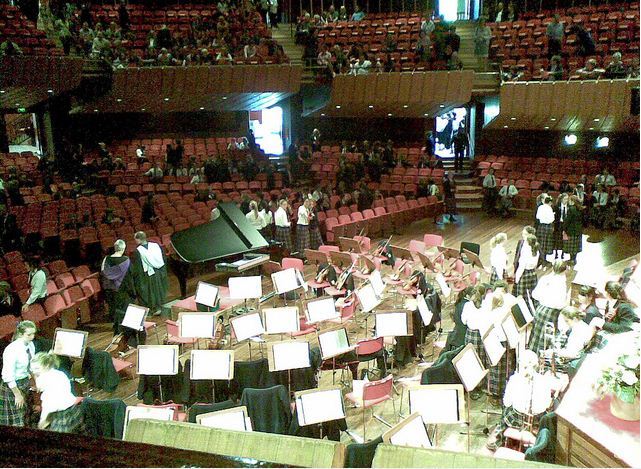

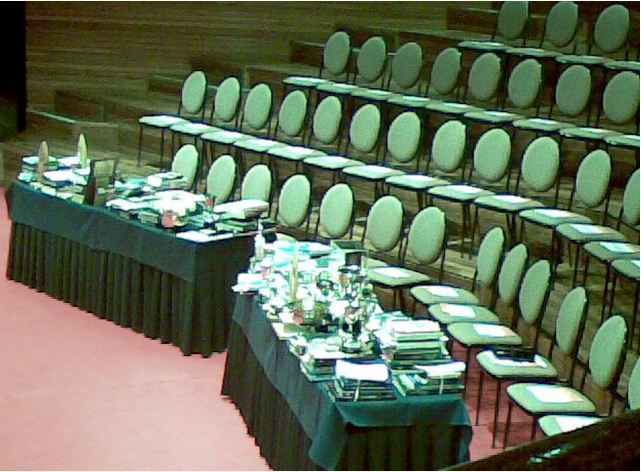

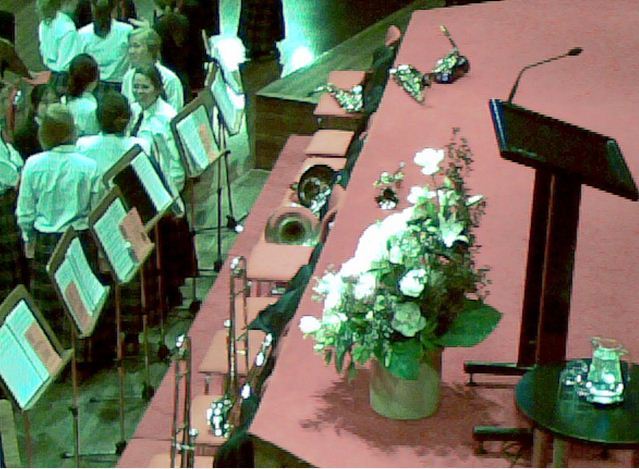
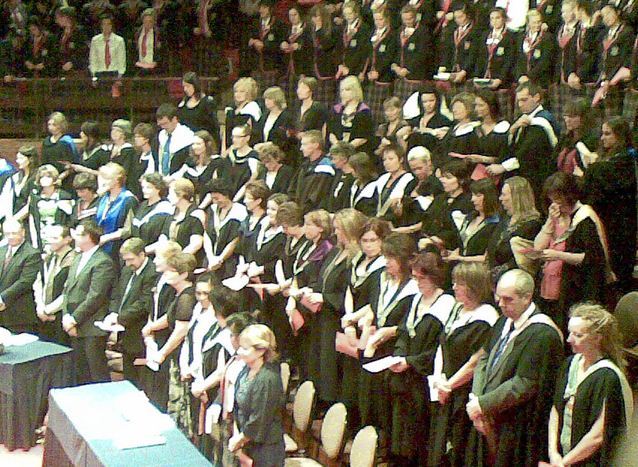
I was at the Christchurch Town Hall (on Kilmore Street) the other night for the CGHS prize giving and took this assortment of very av. photos at the time. I was going to put them in some sort of order but I can’t really be bothered now. Feel free to guess the order of events.
The Stewart fountain is outside with Victoria Square in the background. There is a statue of the dear old queen across the way.
Mon, Nov 29 2010 4:07 pm. ‘A’ marks the spot of a friendly neighbourhood earthquake. (Christchurch, NZ).

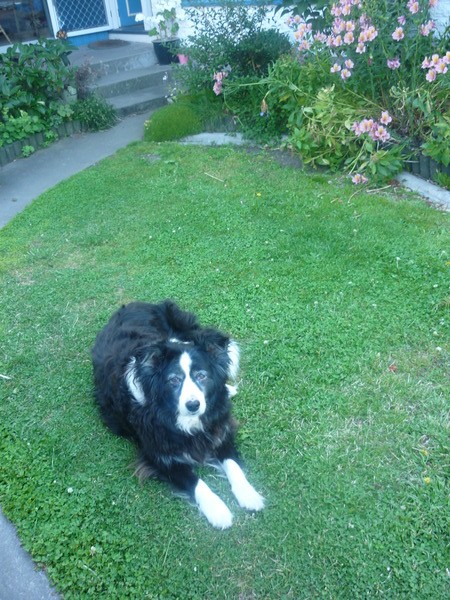
I know I might perceived as going slightly overboard on this but Mathilde (Tilly) has a birthday on the 4th December (or so I believe) . I felt this occasion warranted marking. The old girl will be 11 so she is getting on a bit. And rumours of her viciousness have been wildly exaggerated.
Perhaps it is just me but I found this (work email) amusing. The reference is to Level 2 NCEA examinations in Music.
‘Is anyone else out there in a twitter about the level 2 exams?
We’re not even convinced the Aural, Q Three (a) re: characteristics, is in line with the standard. Not to mention how we feel about the transcription of the Jimi Hendrix (he never used a distortion pedal)…’
[The National Certificate of Educational Achievement is the national qualification for NZ’s secondary school students. Level 2 is normally sat at year 12.]
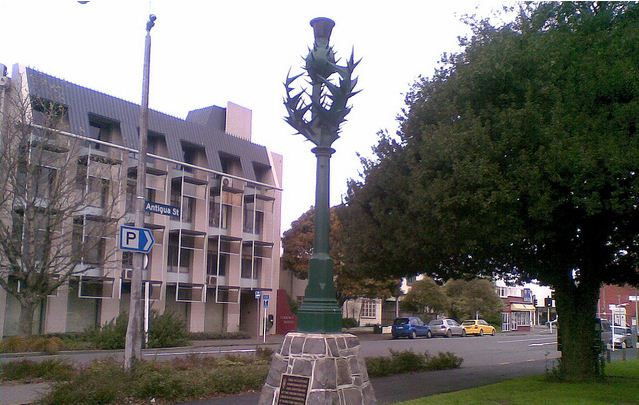
Above: the Scotch Thistle which marks the spot where St Andrew’s Prebyterian Church of Christchurch first stood (Antigua St and Oxford Terrace). The Avon runs on the other side of Oxford Terrace.
The Saltire in Christchurch.
NB. This is not a comprehensive or even adequate survey. It’s just about some bits that interest me. I’ve never set foot in the Caledonian Hall or eaten haggis, even though I am about to find out who the best haggis-producing butcher in town is. I’ll let you know.
The river that flows through the centre of the city (its banks now largely forming an urban park) was named Avon at the request of the pioneering Deans brothers to commemorate the Scottish Avon, which rises in the Ayrshire hills near what was their grandfathers’ farm and flows into the Clyde.
Rangi Ruru (a private girls’ school) in Christchurch is, despite the Maori name, a school with strong Scottish/ Presbyterian connections. Its houses are Balmoral, Braemar, Doune, Dunvegan, Glamis and Stirling. Jules and Possum* were in Braemar. I don’t think they added anything much to its strength. RR also used to (and may still) do an exchange with Gordonstoun (yes, that Gordonstoun).
*For two terms only. A private girls’ school did not suit Possum at all. She was most uncomplimentary about her fellow pupils.
St Andrew’s at Rangi Ruru (photograph below) is a very pretty wooden church. The school holds assemblies there, and other events. It is a lovely setting. I occasionally dine with its Parish Clerk (a woman who disapproves of her long-dead kinsman, Robert Burns, for his ‘lack of community spirit’). The original site of St Andrew’s in Christchurch is just around the road from where I worked for some years.
[The other church pictured below is the First Church (Presbyterian) in Dunedin.]
There is, of course, also St Andrew’s School (private, co-ed) in Merivale. I used to live across the road. [I was married, in 1982, by the then Rector of St Andrew’s, Bob Murphy.]
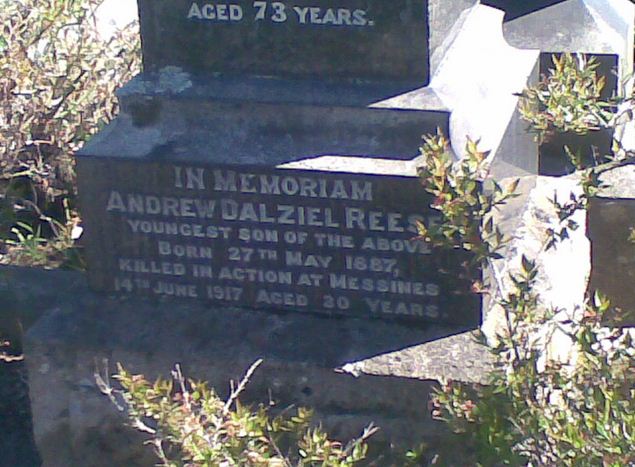
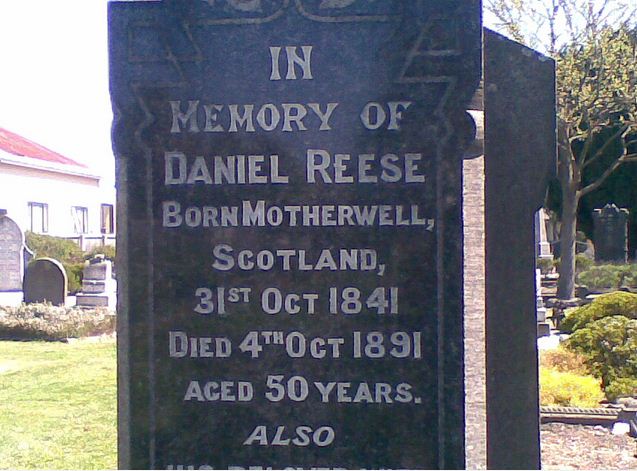
And I recently discovered the Addington cemetery in Selwyn Street, in which many of Christchurch’s early inhabitants of Scottish birth or extraction are buried. A couple of headstones are included in the photos below.
[Scotch thistles are a horrible weed where I grew up in southern NSW. I remember many uncomfortable hours helping my father grub them out with a hoe.]
‘Scots–as to humour. . . I never knew a fool of that Nation.’ John Aubrey, 1684–6. Royal Society MS.


Scott and Shackleton chose the Port of Lyttelton as the New Zealand base for their Discovery, Nimrod and Terra Nova expeditions. Scott was reportedly given two choices of base for his first expedition: Melbourne and Christchurch – each of which had a magnetic observatory. He may have chosen Christchurch simply because it was closer to the Antarctic, but the presence of his cousin, R.J. Scott, a Professor of Engineering at the University of Canterbury, may also have had an influence. As in Port Chalmers, there were generous offers of goods and services from the Harbour Board and local businesses. Scott and Shackleton were rewarded with similar generosity on their subsequent expeditions, as was the Australasian Antarctic Expedition when its ship the Aurora called at Lyttelton in 1912. [ Pics below: Scott’s ships in Lyttelton Harbour, the Magnetic Observatory at the Christchurch Botanic Gardens, and a teacup from the Terra Nova (in the Lyttelton museum).]
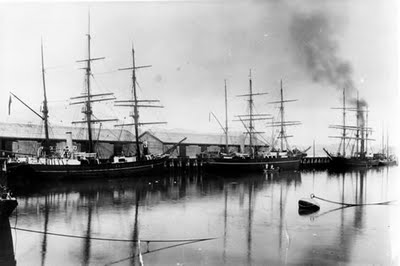
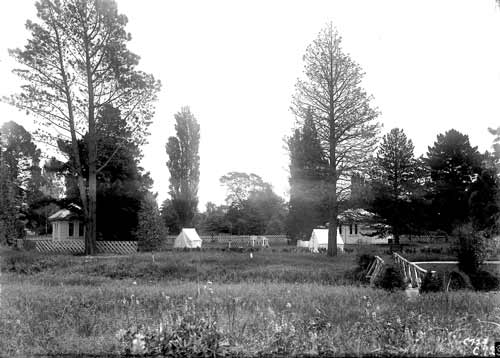
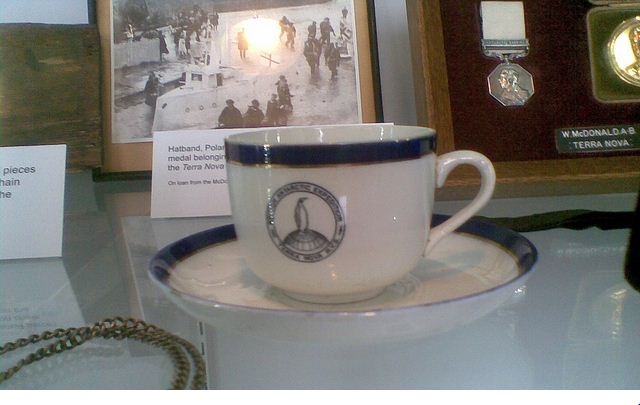
The Terra Nova sailed from Lyttelton to Port Chalmers in Otago. There was a half-day holiday on the 29th November for the people of Dunedin, many of whom saw the Terra Nova sail . There is a recipe in a book I have for ‘Scott’s Farewell Square’, which is a chocolatey, raisiny, datey, walnutty, cocoa-y, buttery, syrupy, eggy, Weet-Bixy treat
It was heavy going for the Terra Nova on her voyage to the Pole. In ‘South With Scott’ Admiral Lord Mountevans reports that conditions were bad on account of hundreds of miles of pack ice they had to sail through.
Fortune smiled upon them for Christmas as they had been able to catch nine penguins which they then had roasted for their dinner. Lord Mountevans adds that they had an enormous box of Fry’s fancy chocolates for dessert.
But it ended badly.
|
Moliere’s Le Bourgeois Gentilhomme was premiered on November 23rd 1670. In Act II, the aspiring Monsieur Jourdain declines the Philosophy Master’s offer of lessons in logic, morality and physics. After enjoying a brief tour of the alphabet, Monsieur arrives at his point: he is in love with a lady of high society, and he wishes to pen “a little note that I will let fall at her feet.” Hard on these pretty heels, the famous insight: |
 |
|
|
JOURDAIN: There is nothing but prose or verse? |
||
Barchon, Evegnée, Fleron, Chaud-fontaine,
Embourg, Boncelles, Flemalle, Hollogne, Loncin, Lantin, Liers,
and Pontisse.
 gryphonelle