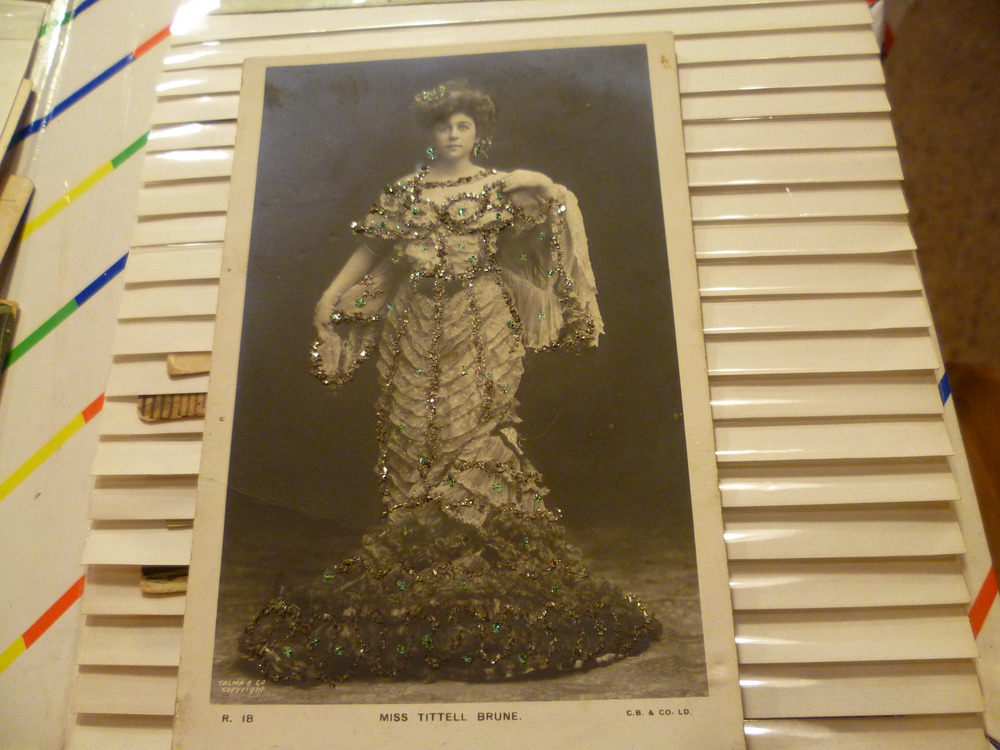
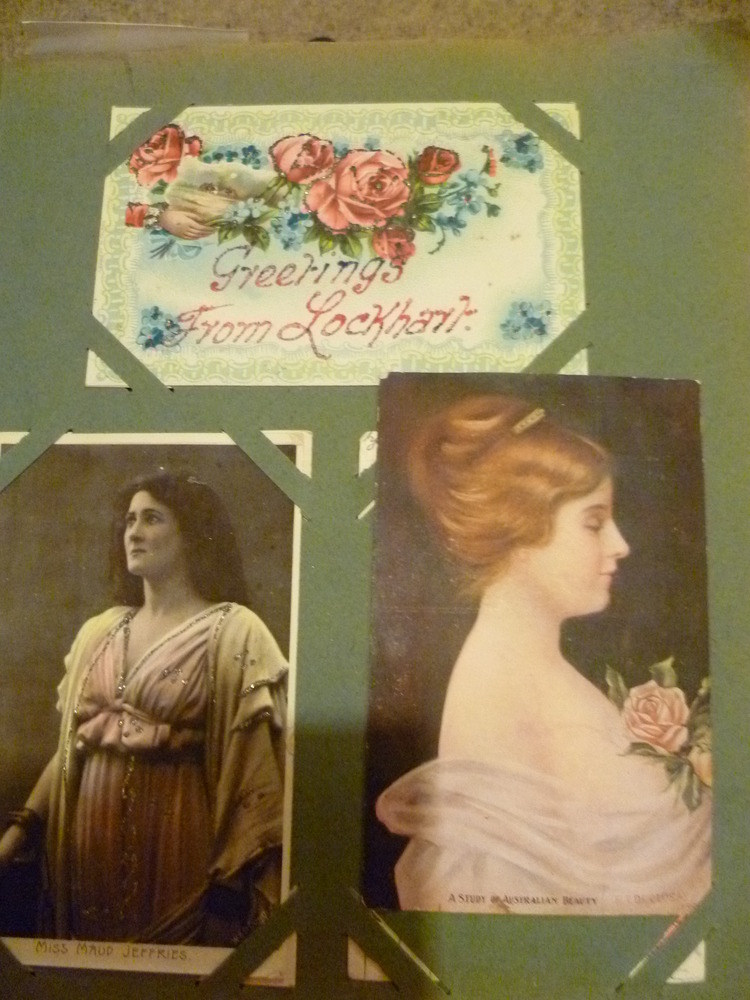
I think that is a lovely name. She doesn’t get much press nowadays but if the amount of glitter on the postcard is anything to go by she was the darling of her day. These aren’t very good pics, sorry, (I didn’t have a scanner to hand) but I still think that they beautifully illustrate something we have lost. I, for one, wish we could recapture it. Don’t ask me what ‘it’ is.
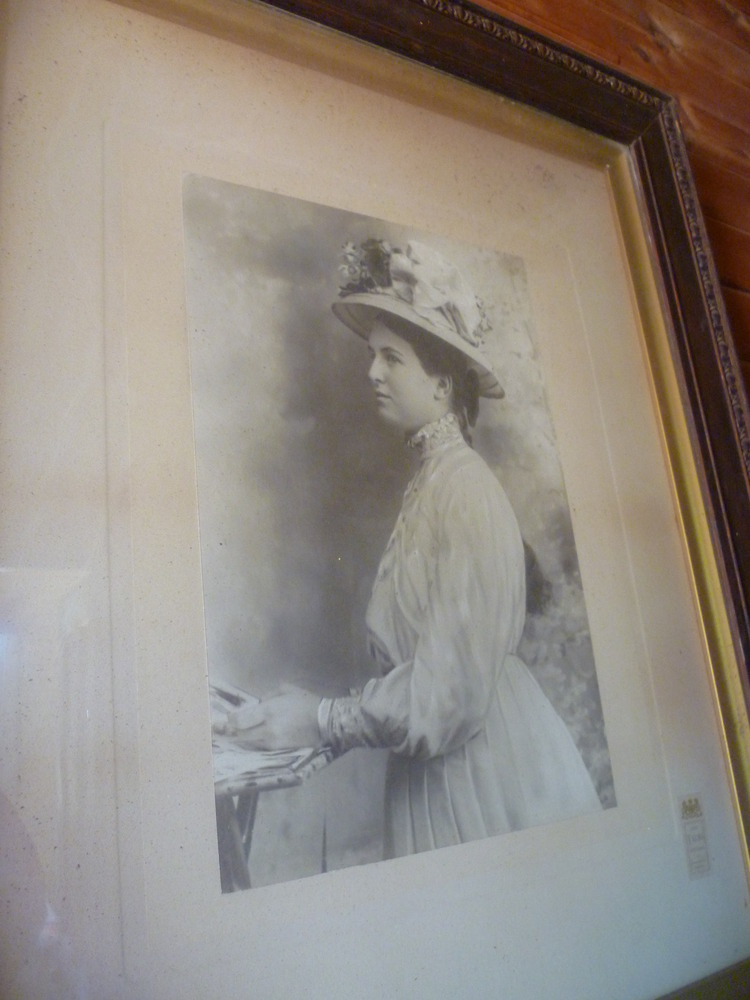
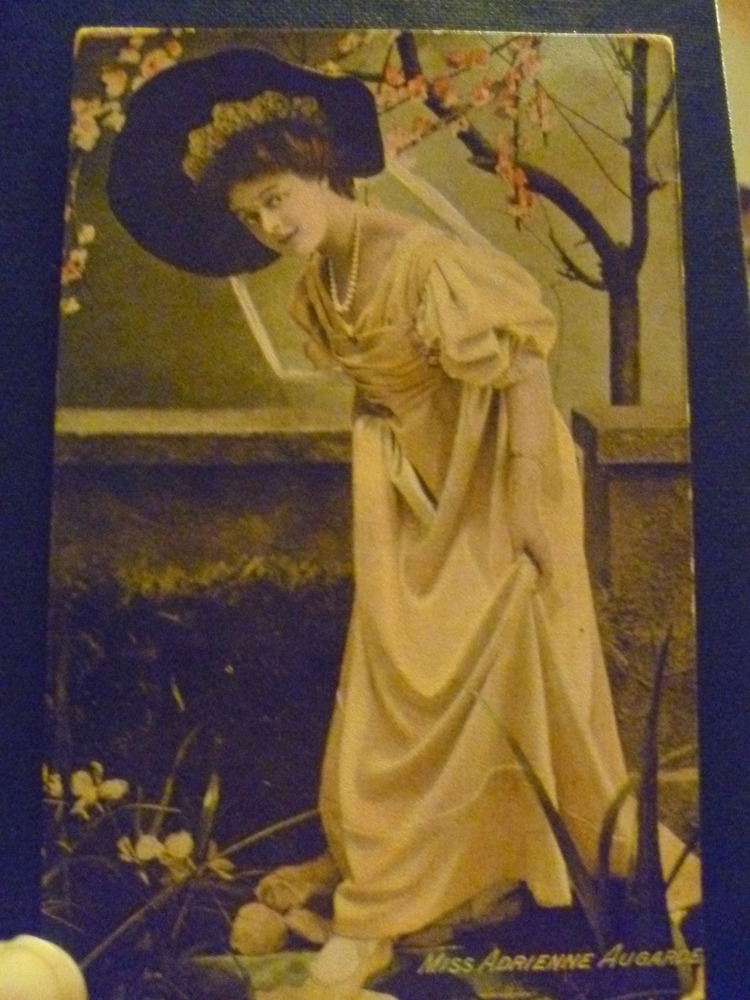
These postcards are from my mother’s collection. A large number of these (there must be about 100) were sent to or from my paternal grandmother and her sister, or collected by them. Most of those are dated around 1910, 1911 and 1912. My grandmother was 17 in the July of 1910 (about when the photograph below was taken).
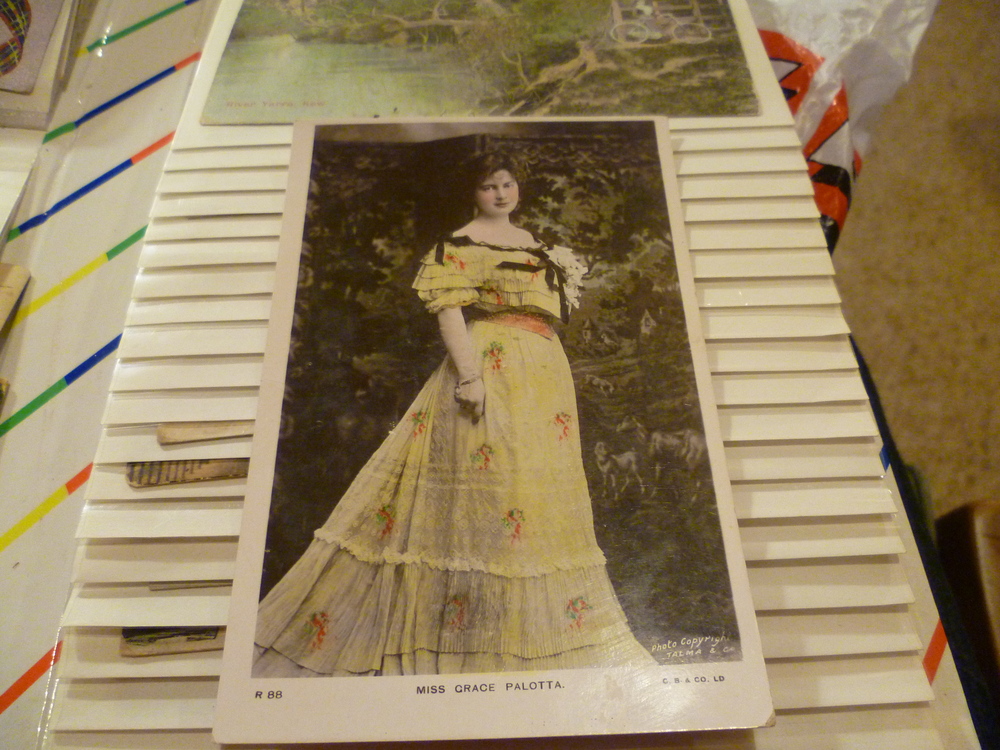
I can’t help thinking that the Australian beauty’s bosom is really rather odd.
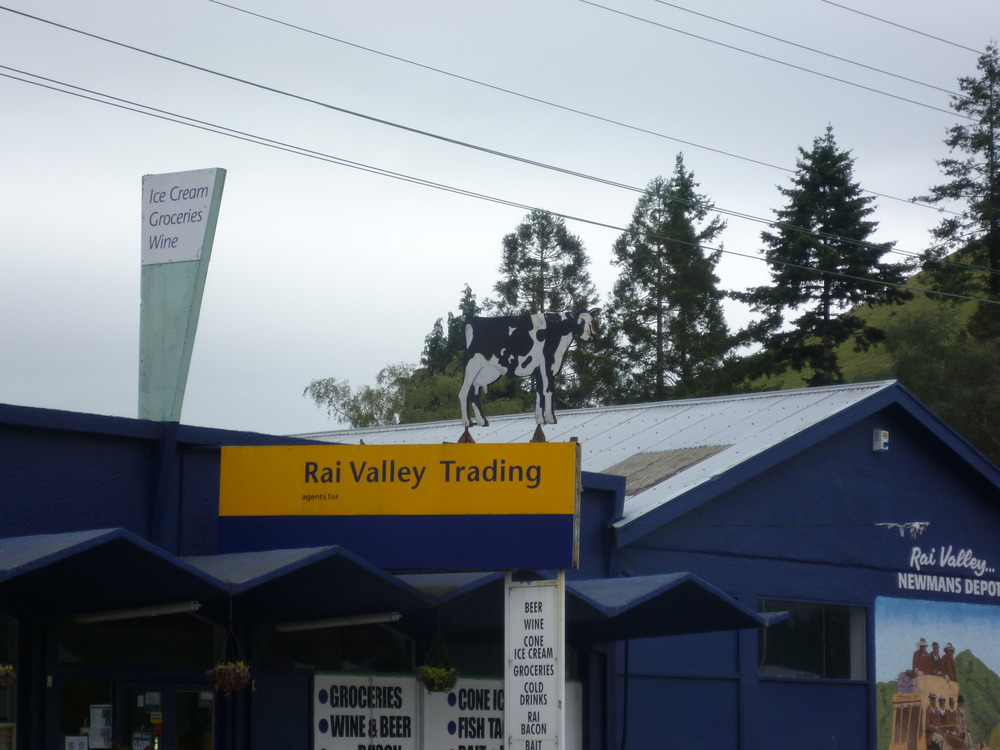
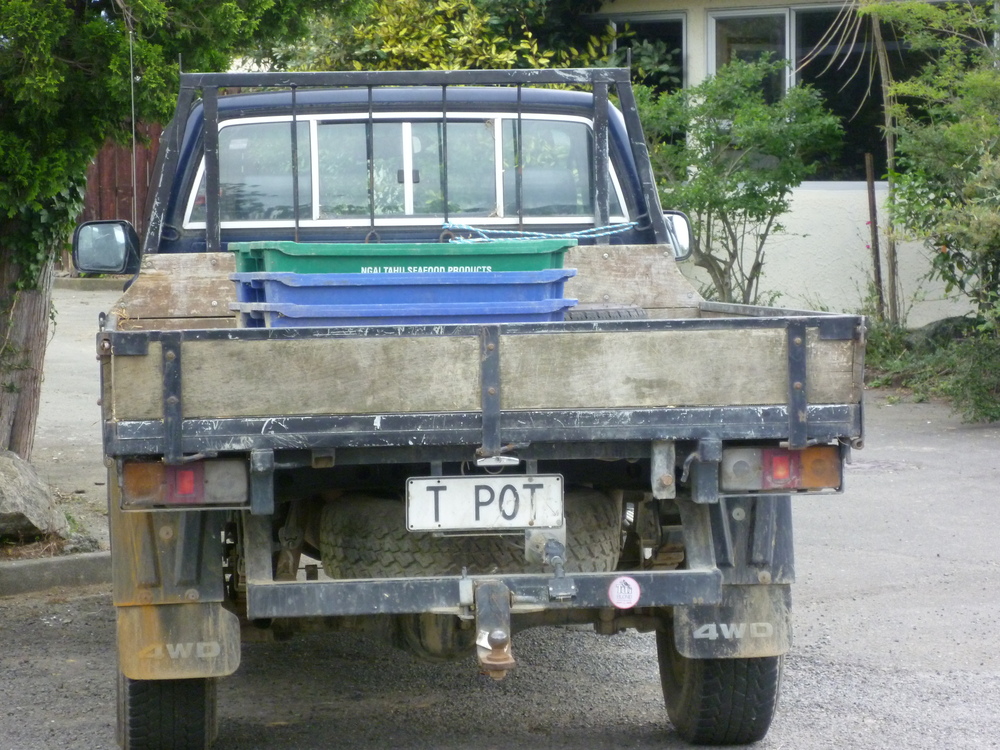
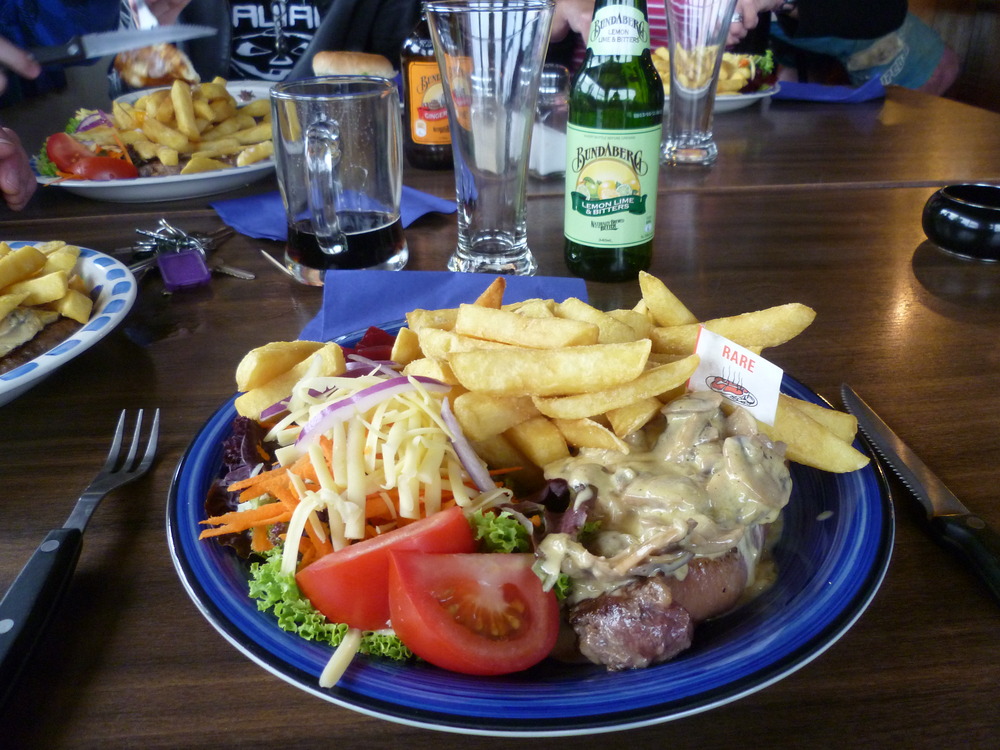
Rai Valley had a pub, a couple of shops low on supplies but high on prices, and a mechanic. There was no cell phone coverage. The food at the pub was a pleasant surprise, nothing fancy but generous in its portions and my steak was cooked as requested (rare). The locals were a bit interesting. A copious amount of beer was consumed by them and the juke box churned out tunes with a country flavour (except for Crocodile Rock and Daddy Cool and a couple of others). The men all wore gumboots. (The pool players were not local).



This is a little place outside of Wagga, on the Murrumbidgee. The billabong is a legacy of the flooding that had affected the area in early to mid December (I can’t remember exactly when it hit). My brother and sis-in-law had to leave their house for eleven days to wait for the water to recede. These photographs were taken early on the 24th December.





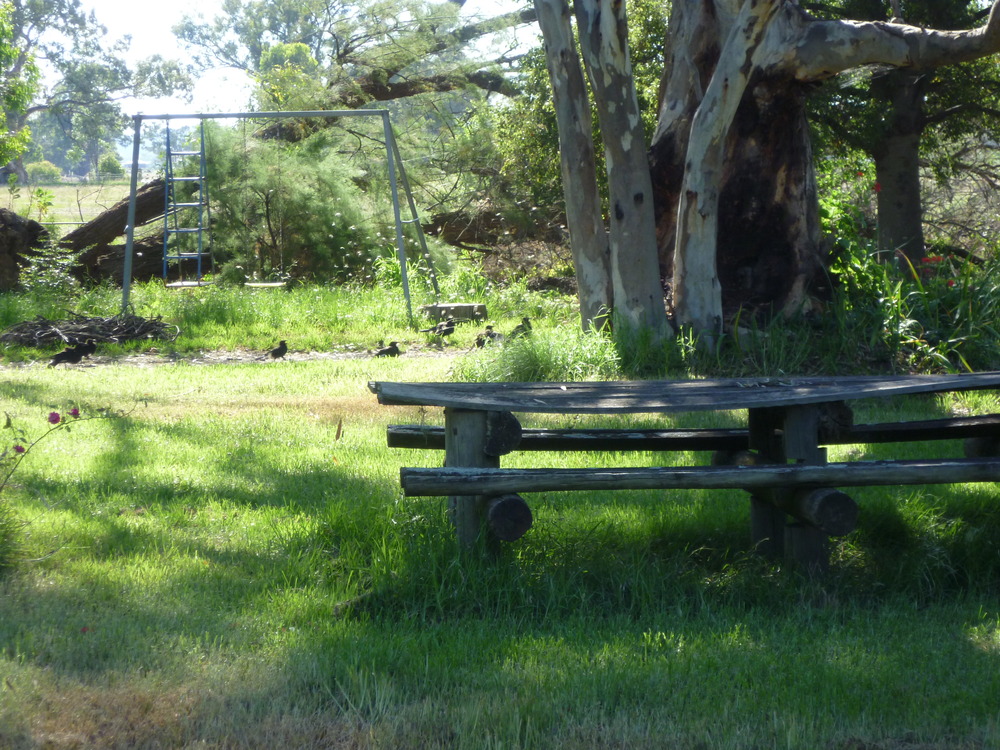

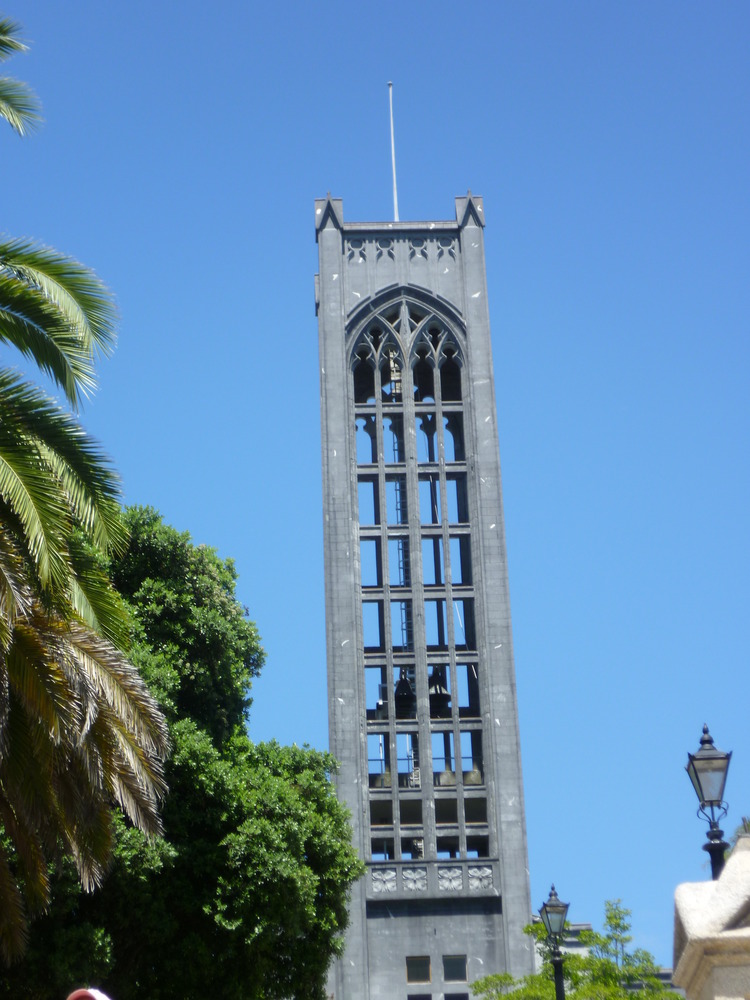
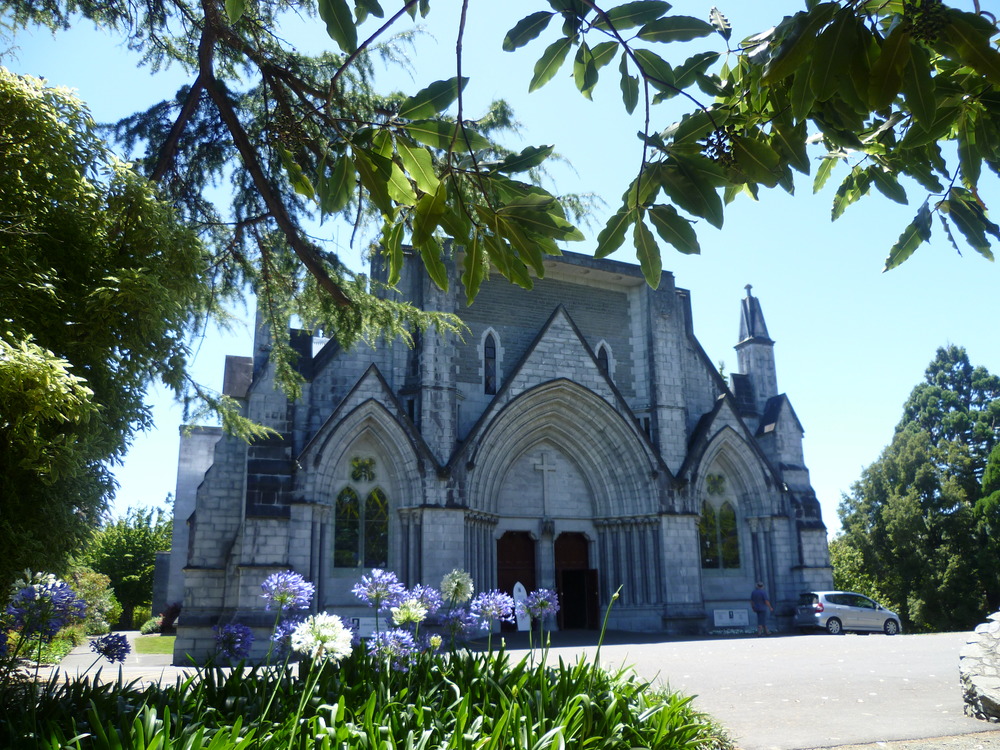
Cinders and I had a look here on Sunday. I was amused by the two seats with blue velvet upholstery roped off in part of the building. H.M. and the Duke of Edinburgh had sat on them on the 17th January 1954 when they attended a ‘divine service’ in the cathedral. No law-abiding bottom has dared to rest there since, I expect. That’s 57 years of unuse.


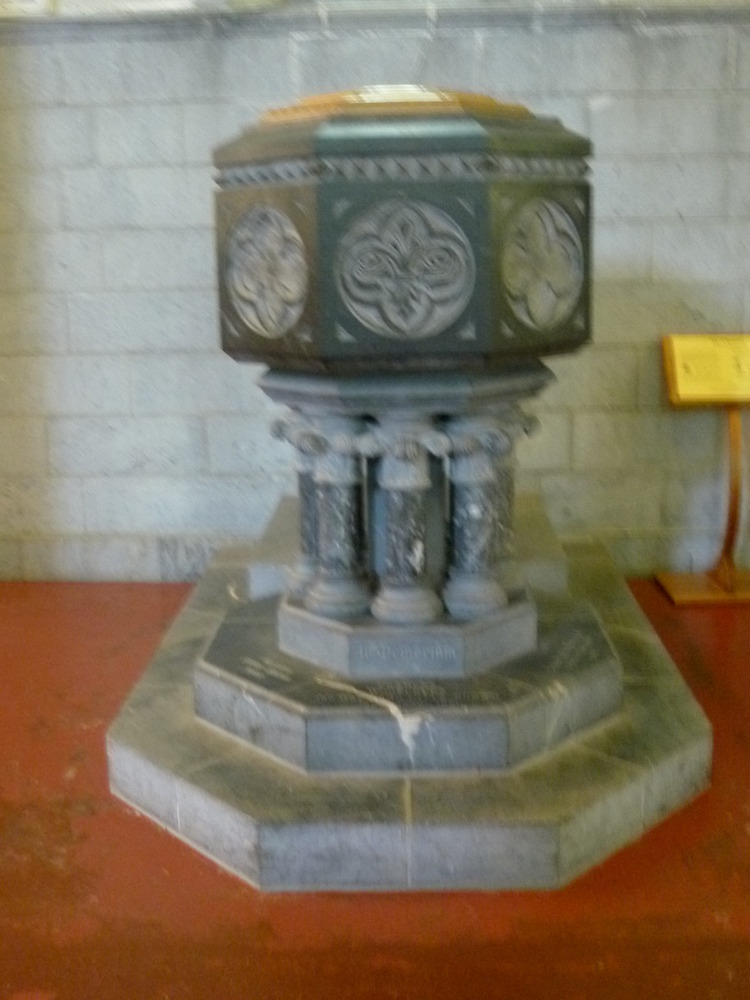


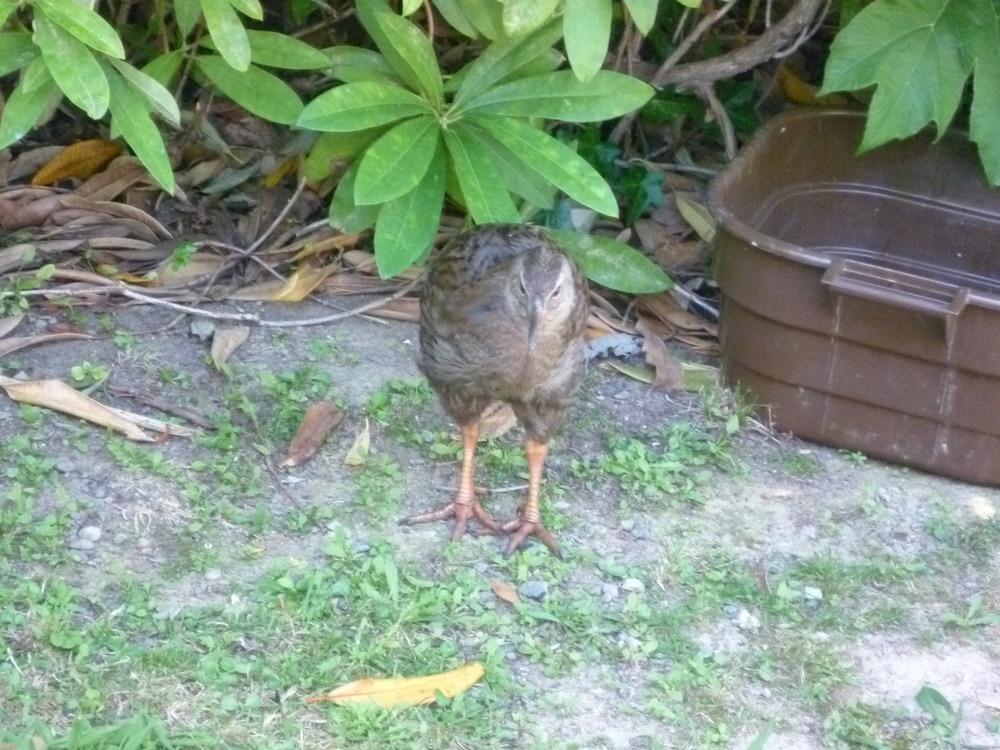
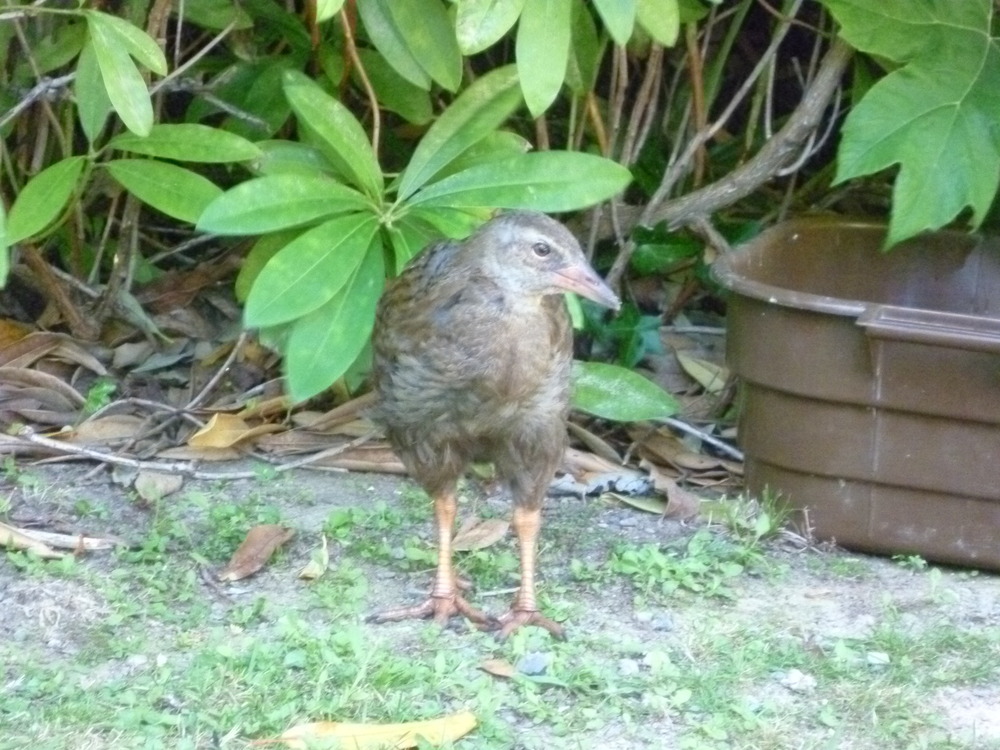
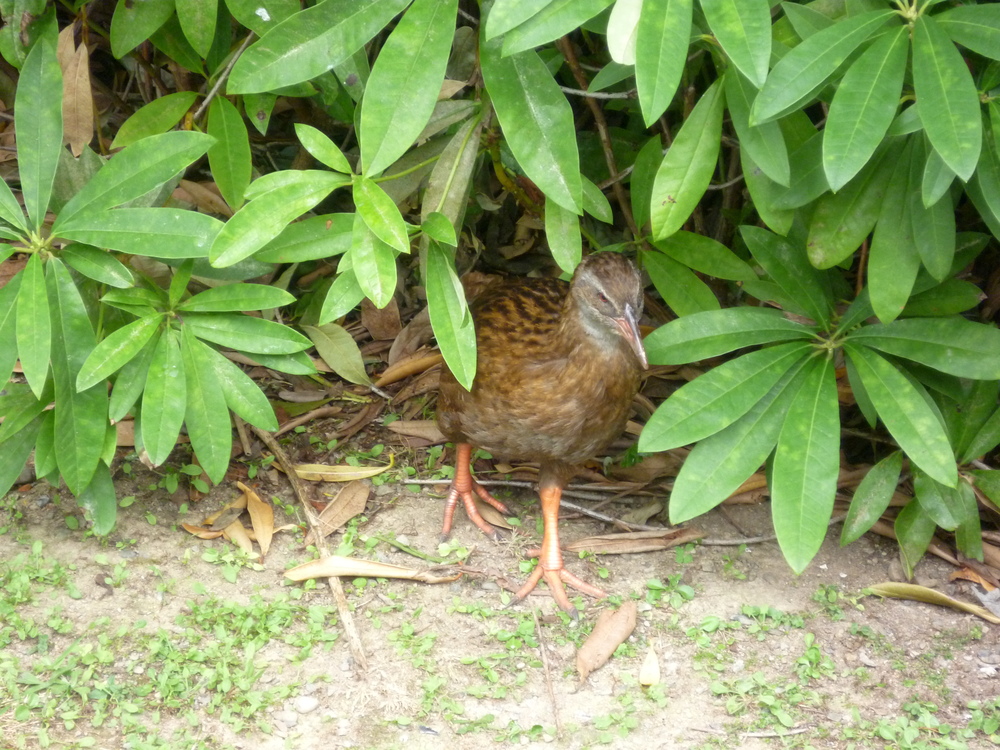
We were pleased to have some visitors while we were staying at Duncan’s Bay. The wekas may have thought something similar. They fossicked around out the back quite happily. One popped inside and jumped on a bed. The silliest (but rather charming) thing that these birds do is to stop and stand perfectly still a lot. They are at great risk from predators. If you want to know more about wekas I am not the person to ask.
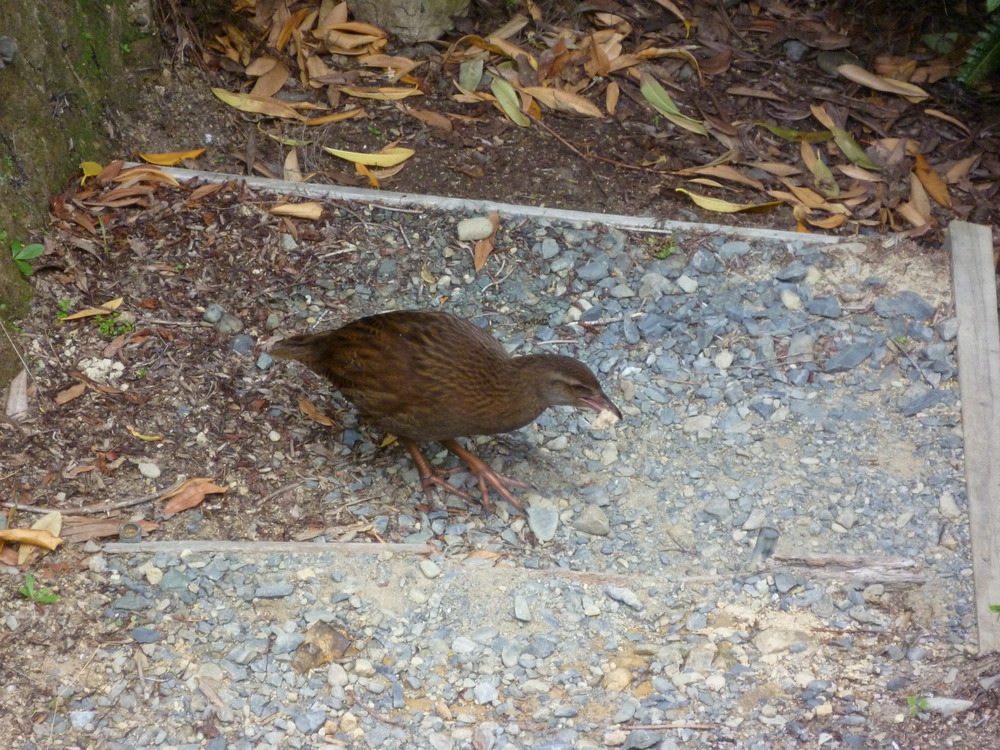
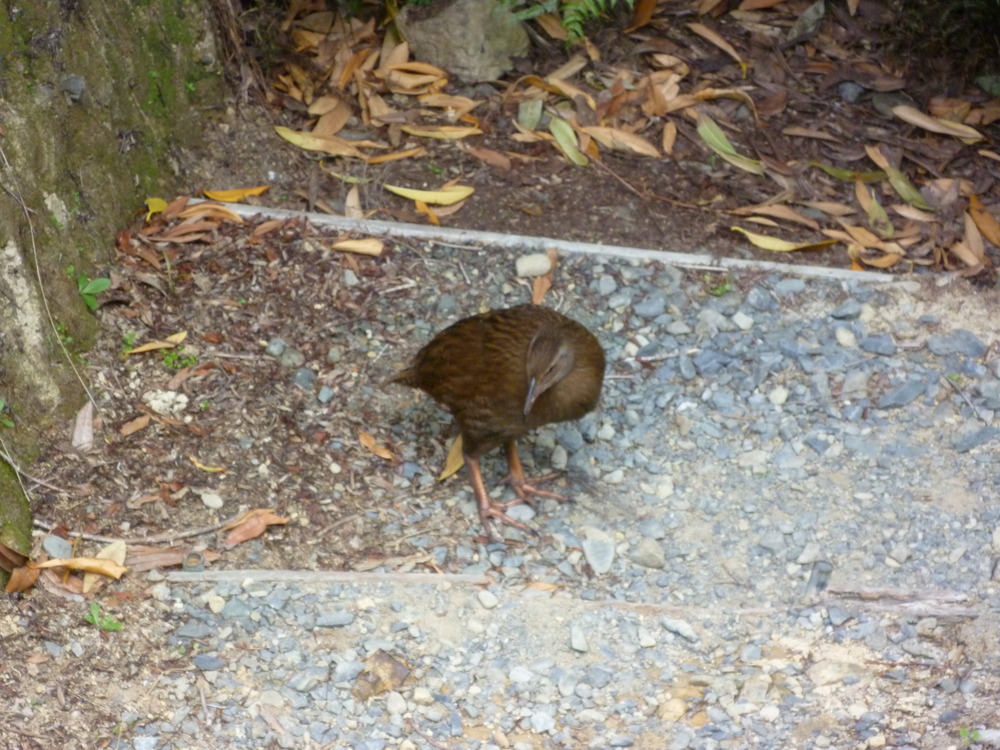

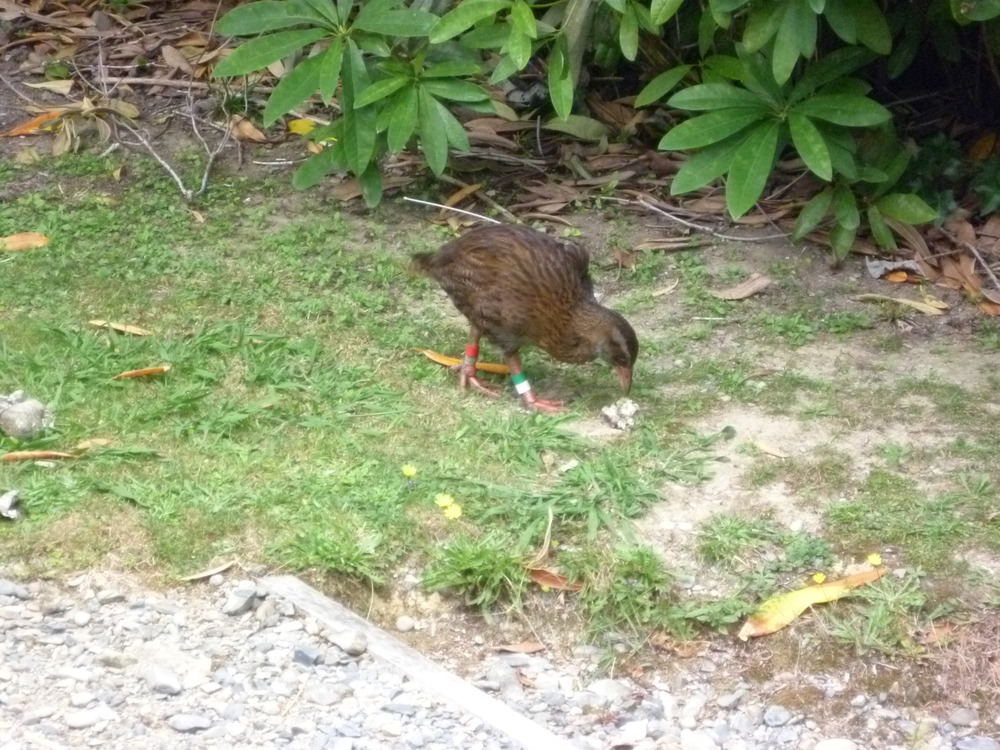

I hadn’t quite finished. . .


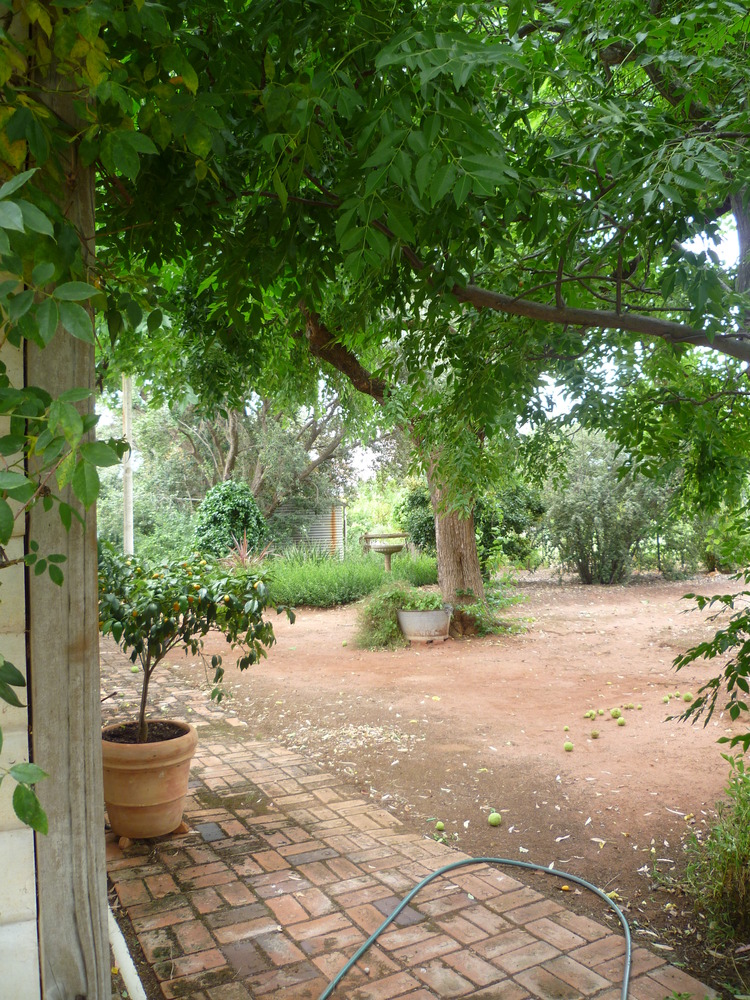


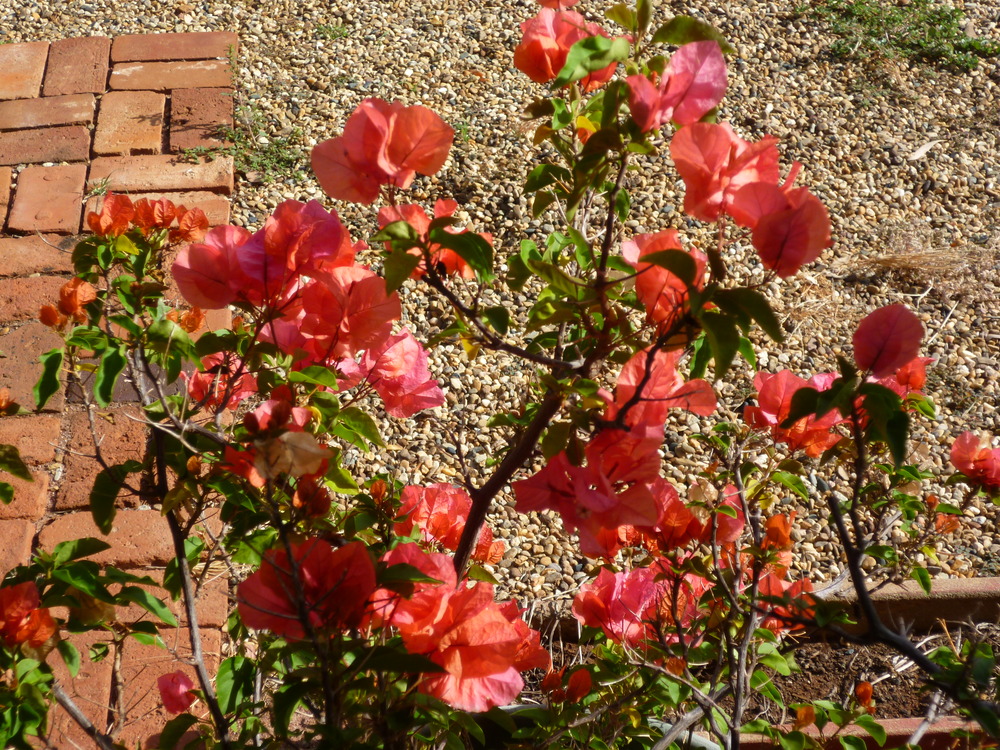


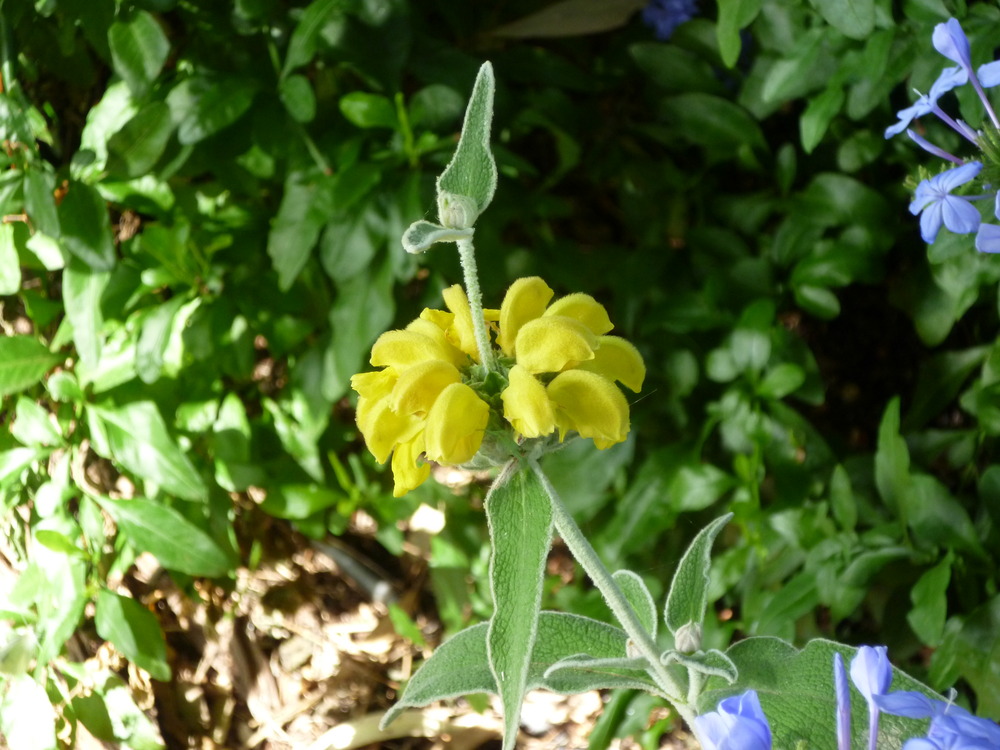
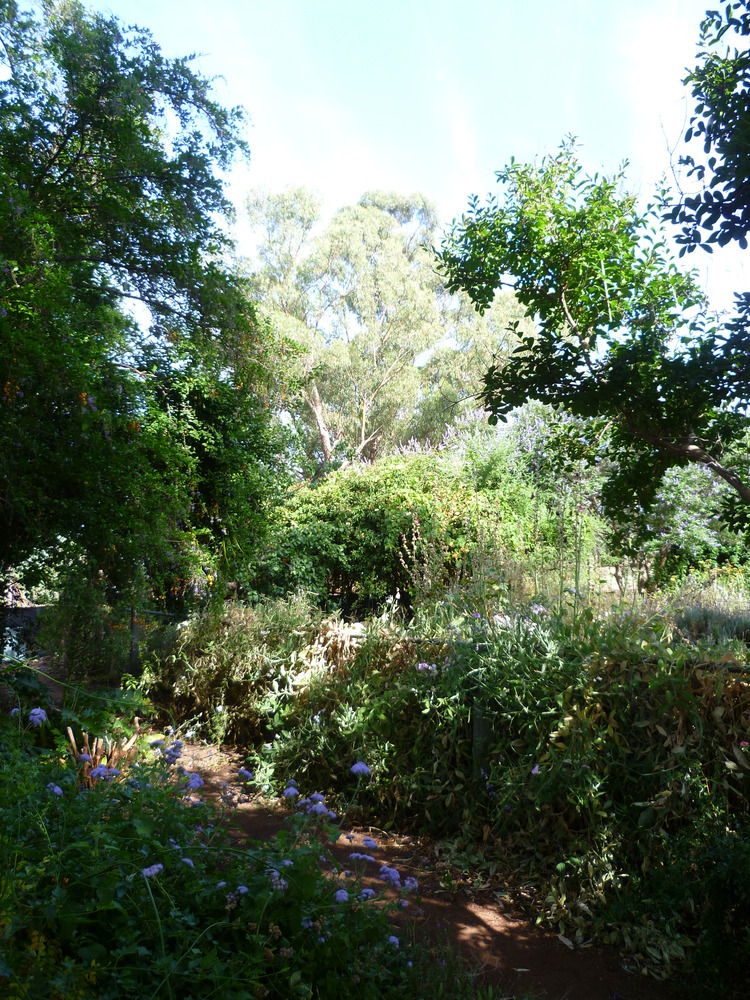
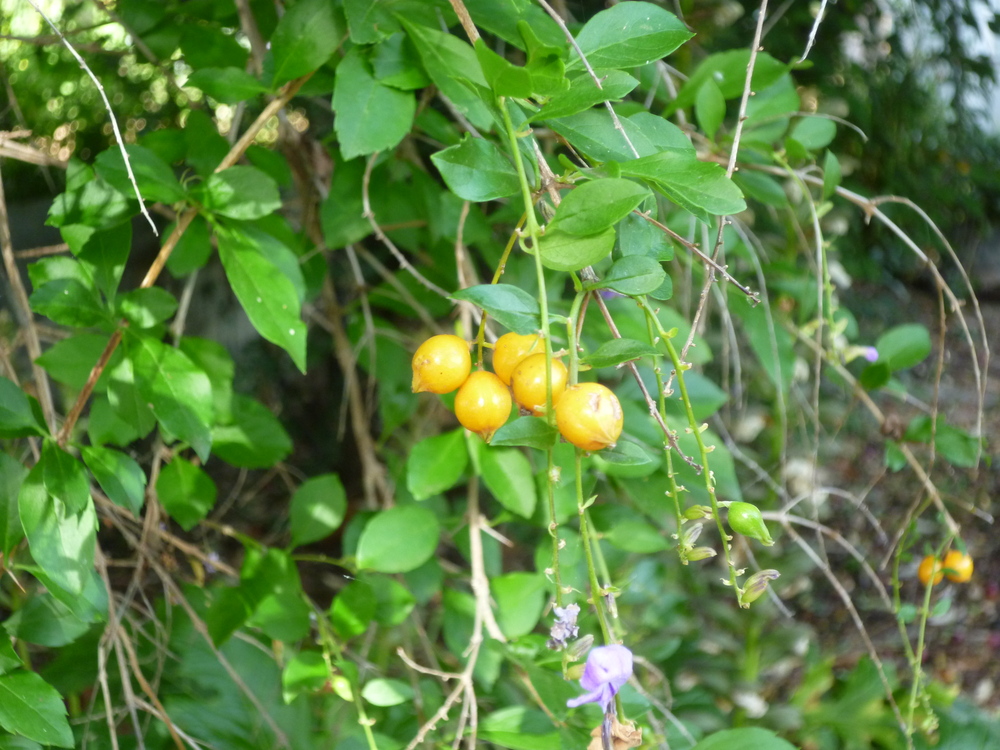
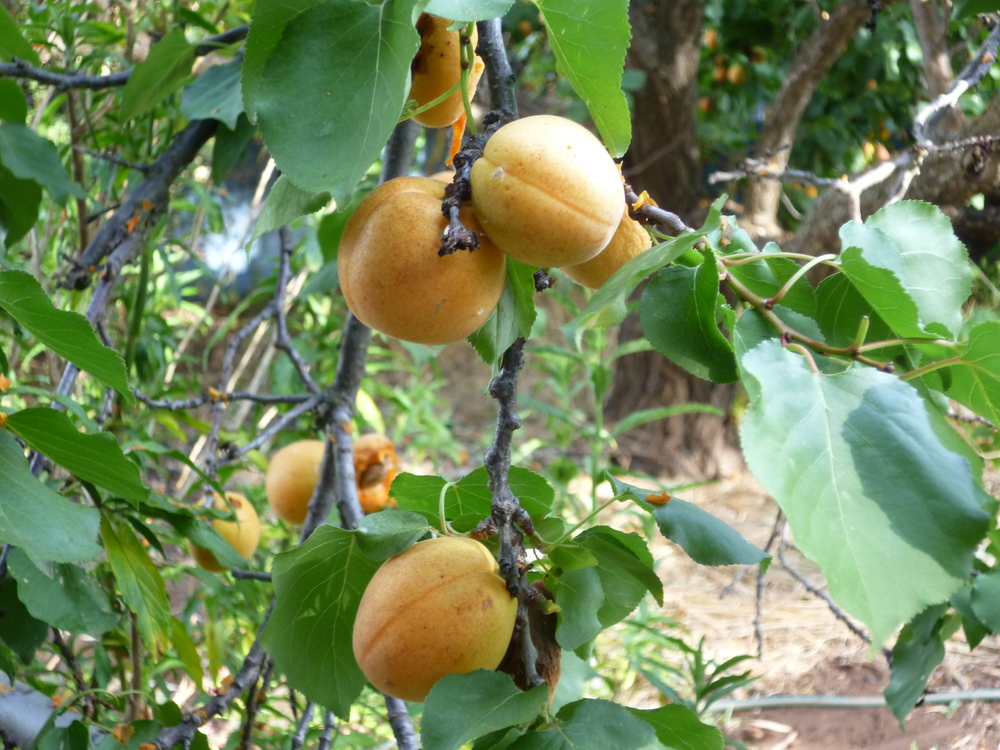
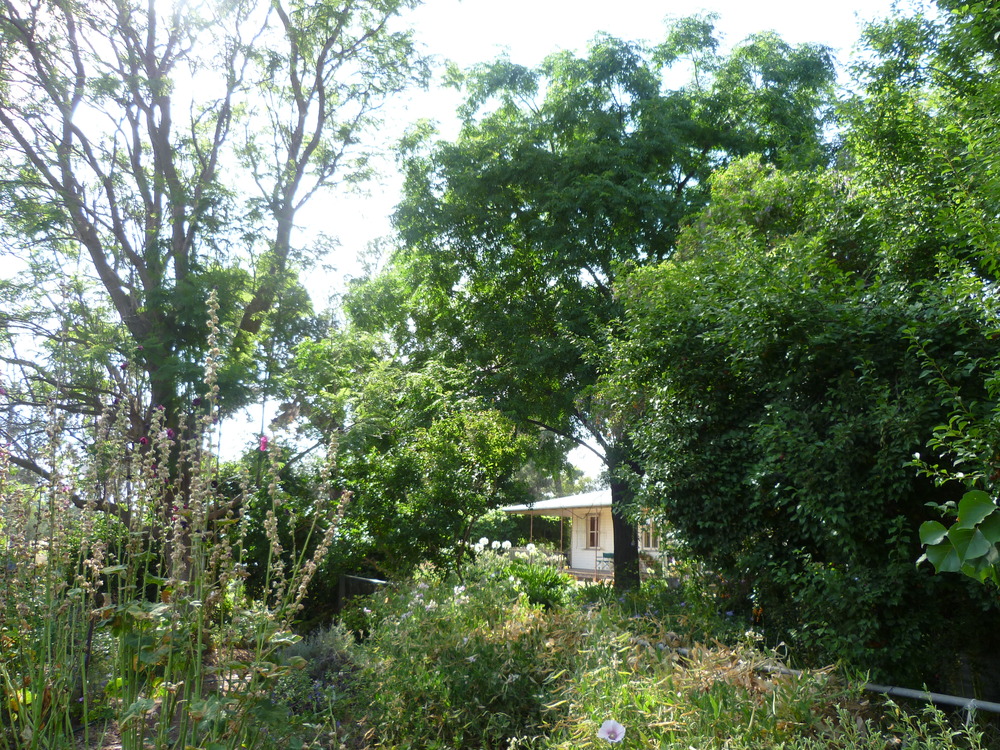
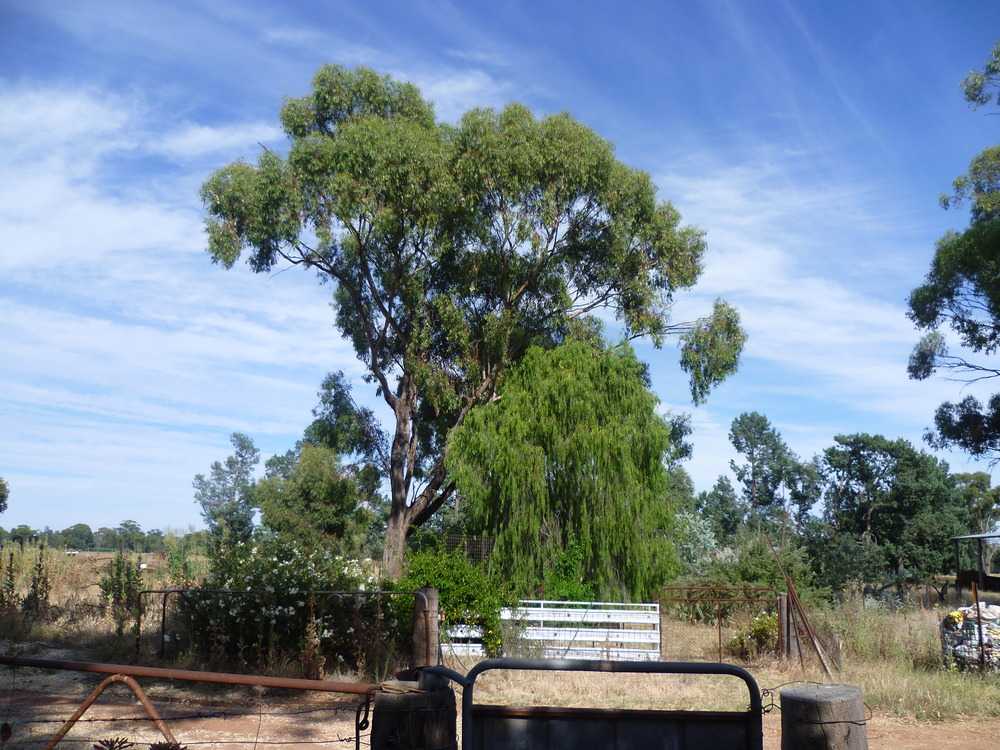

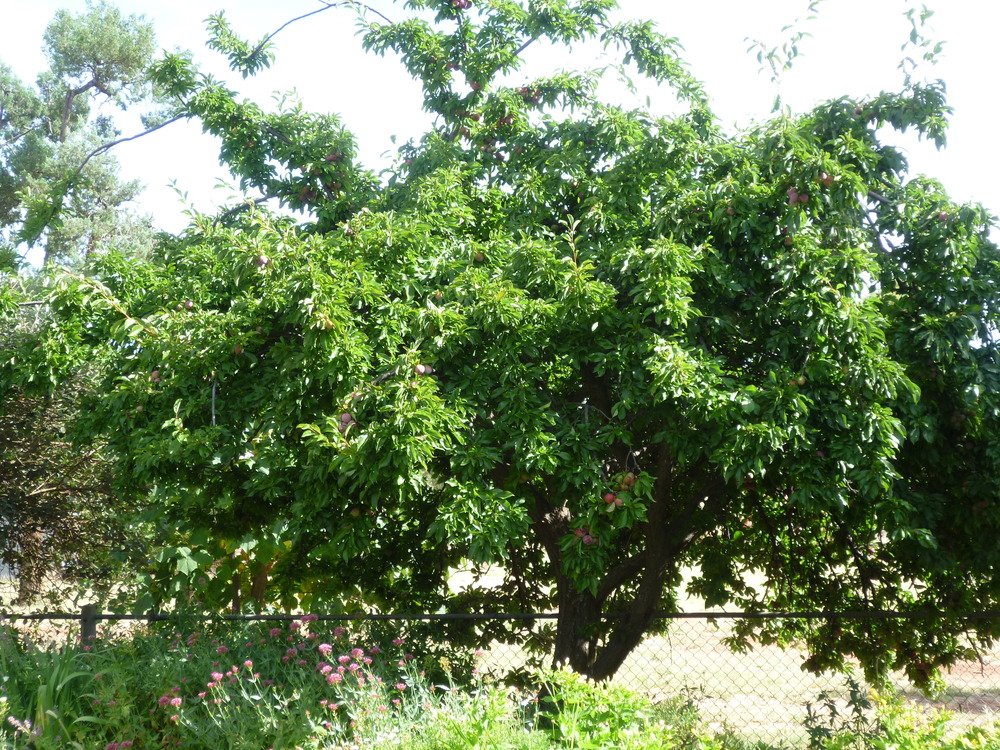
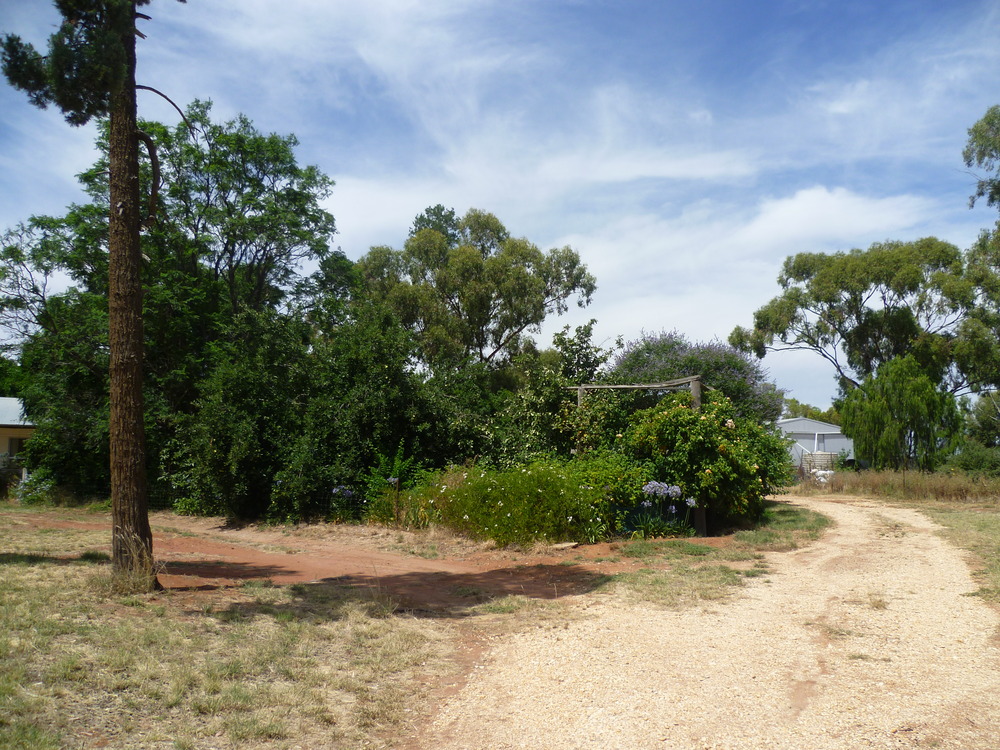
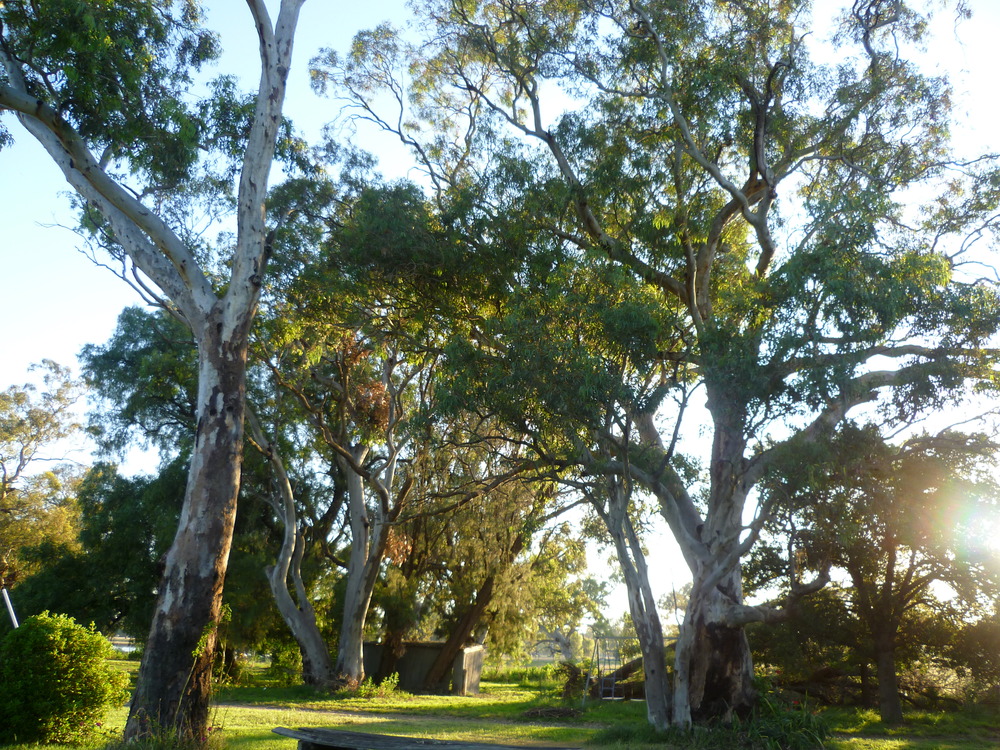
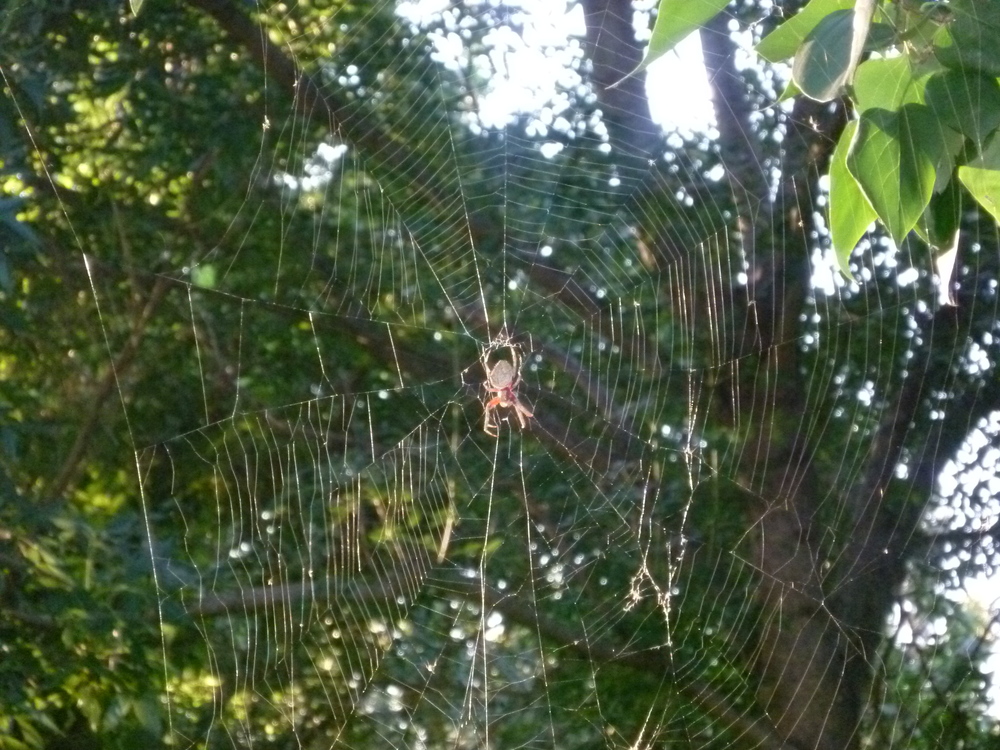
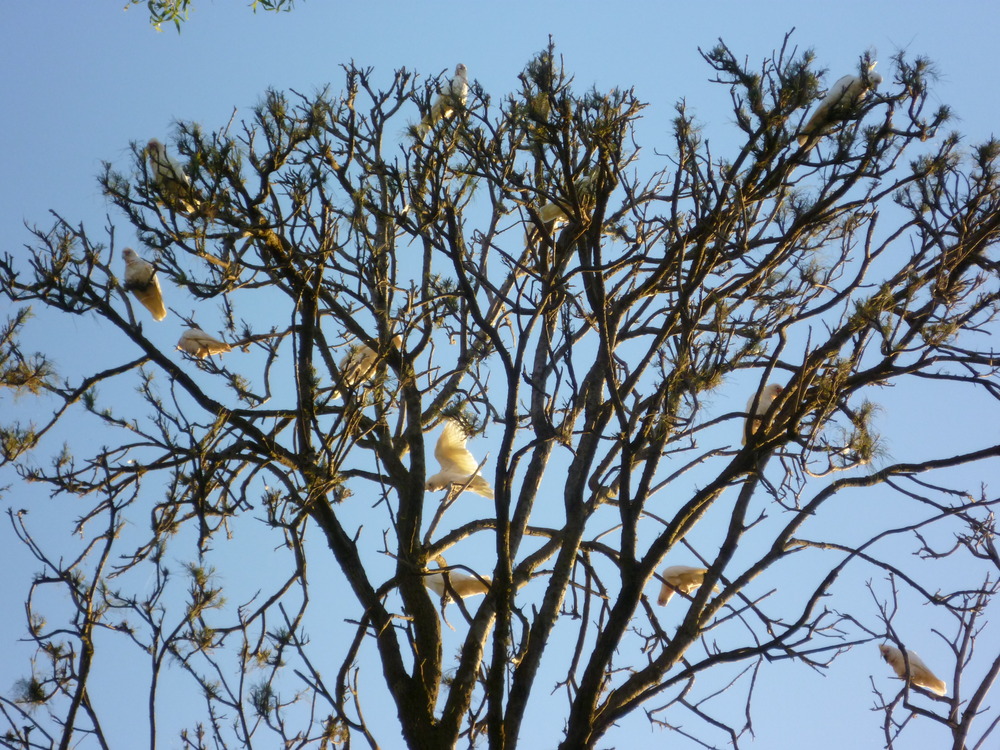
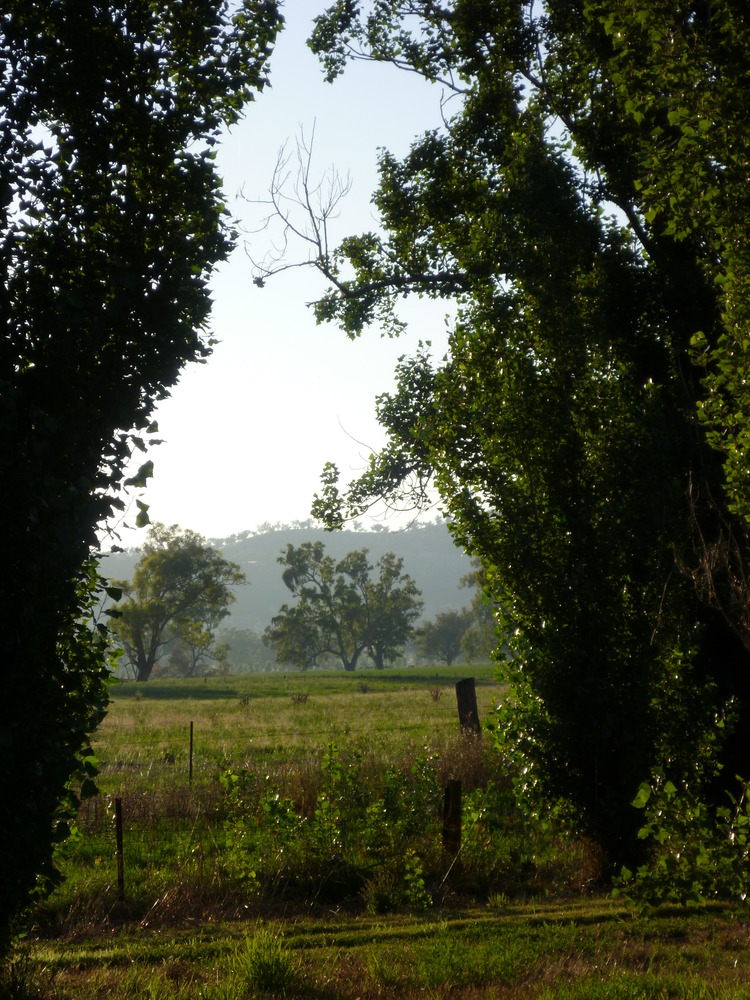
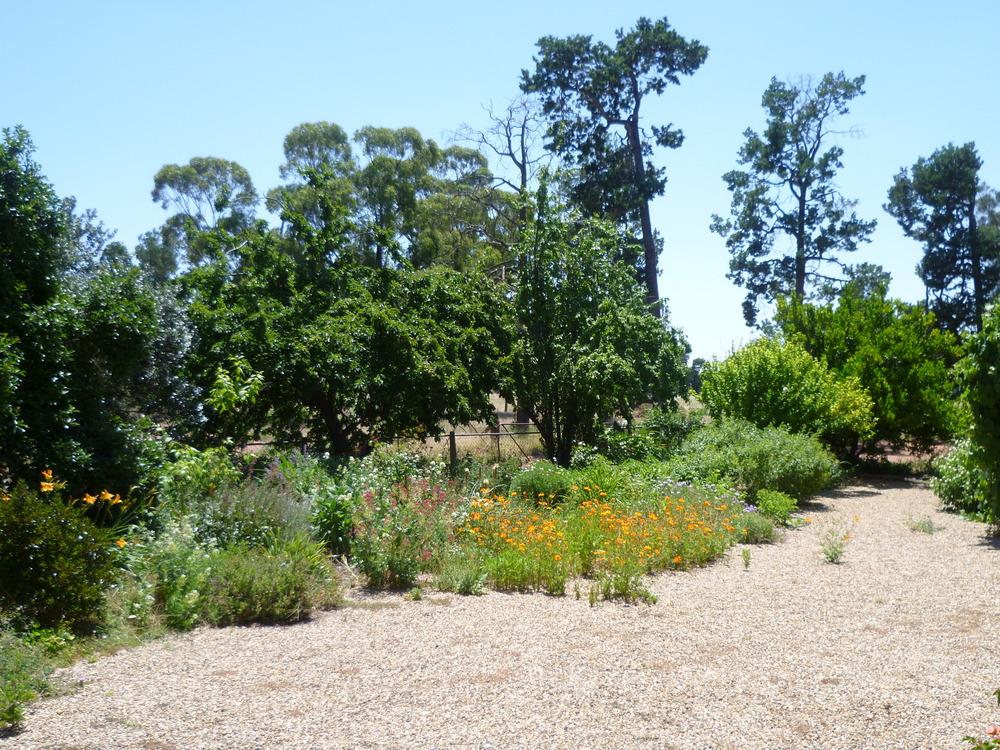
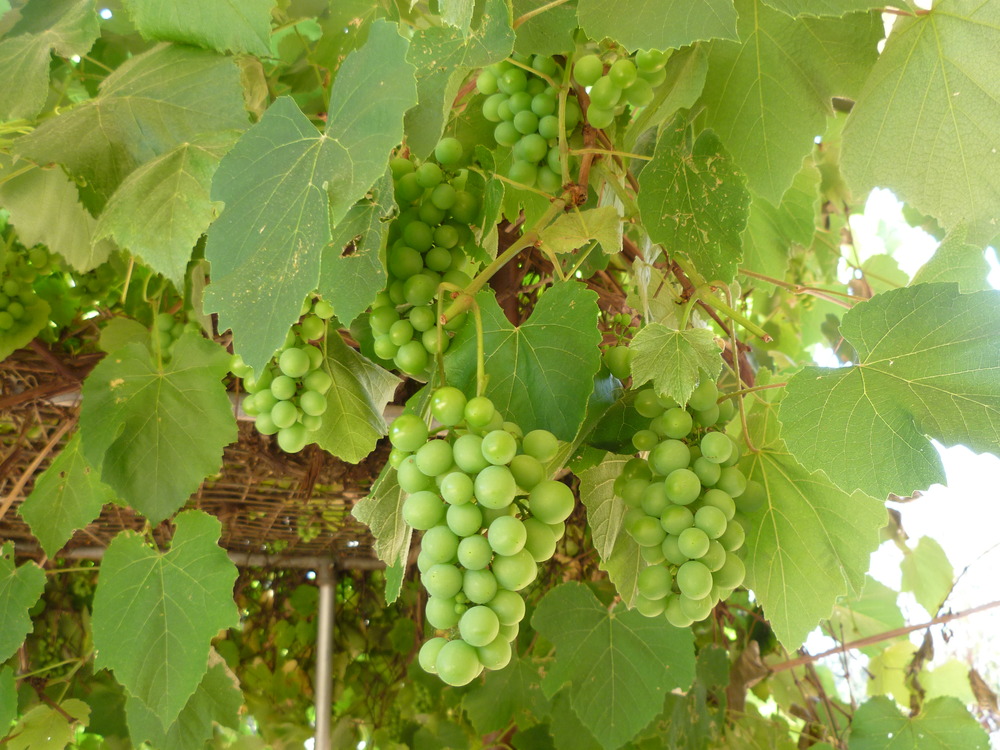
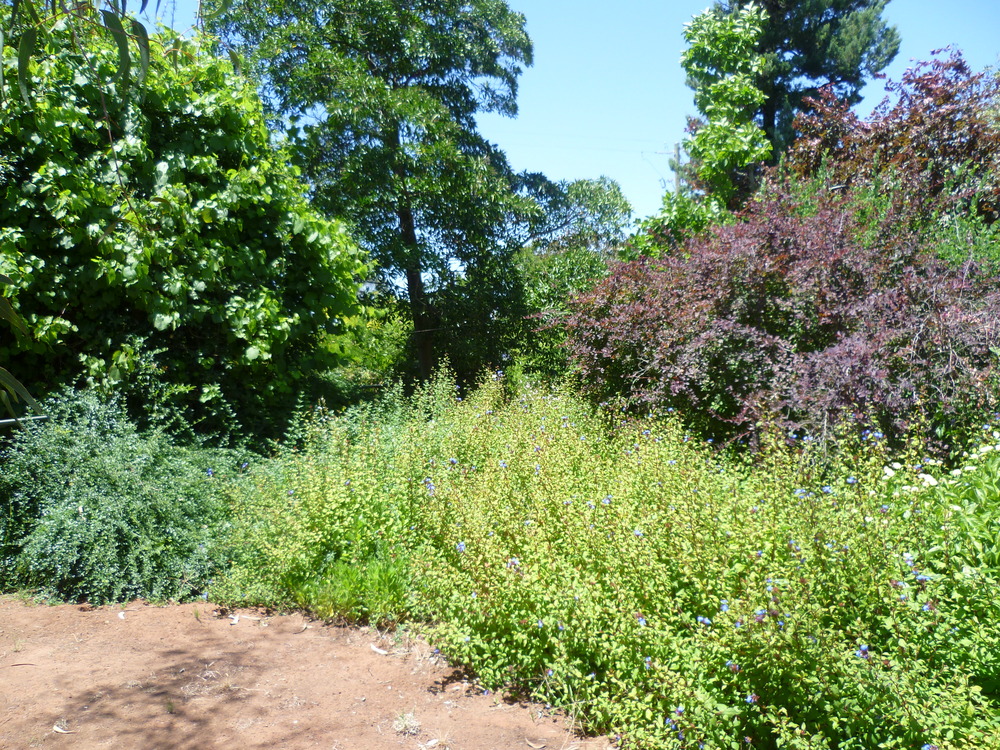
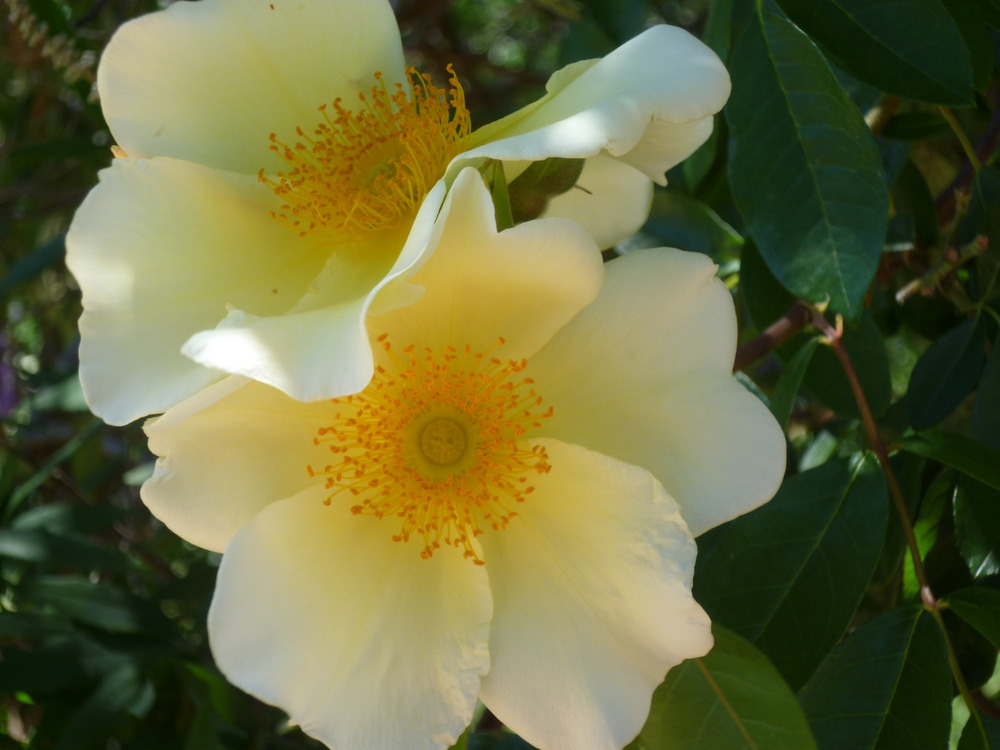
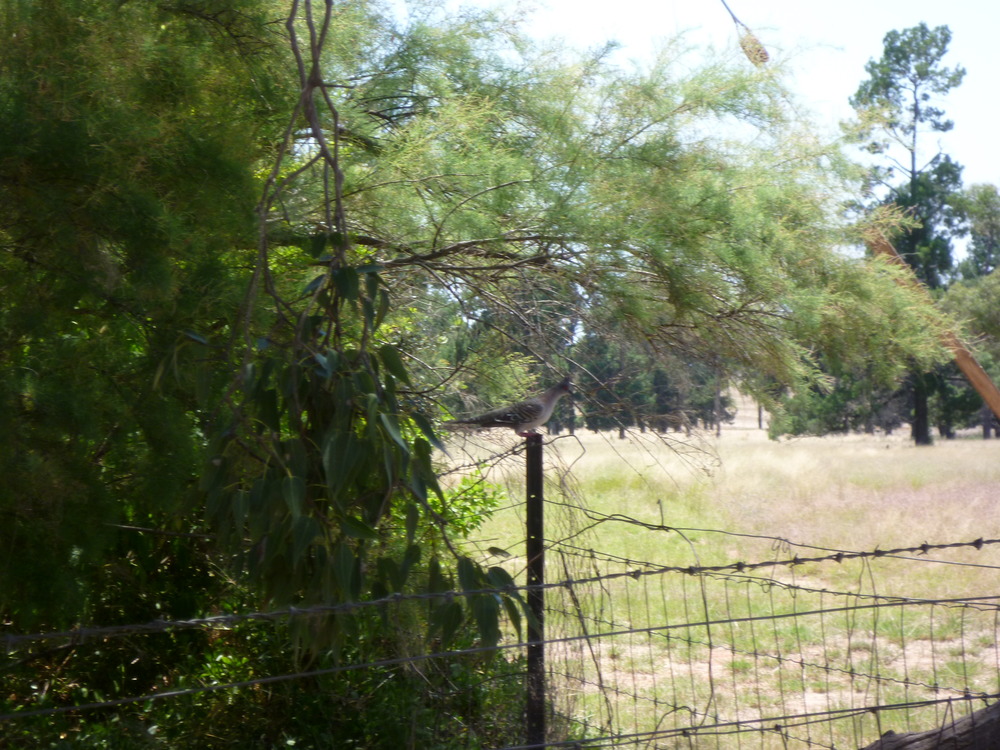
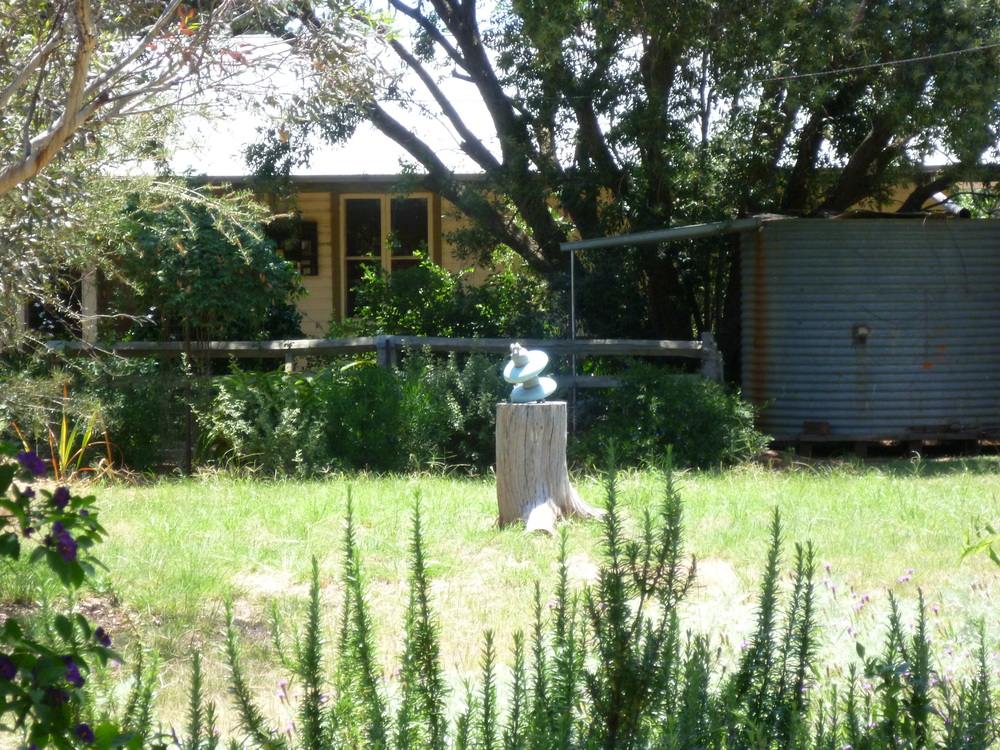
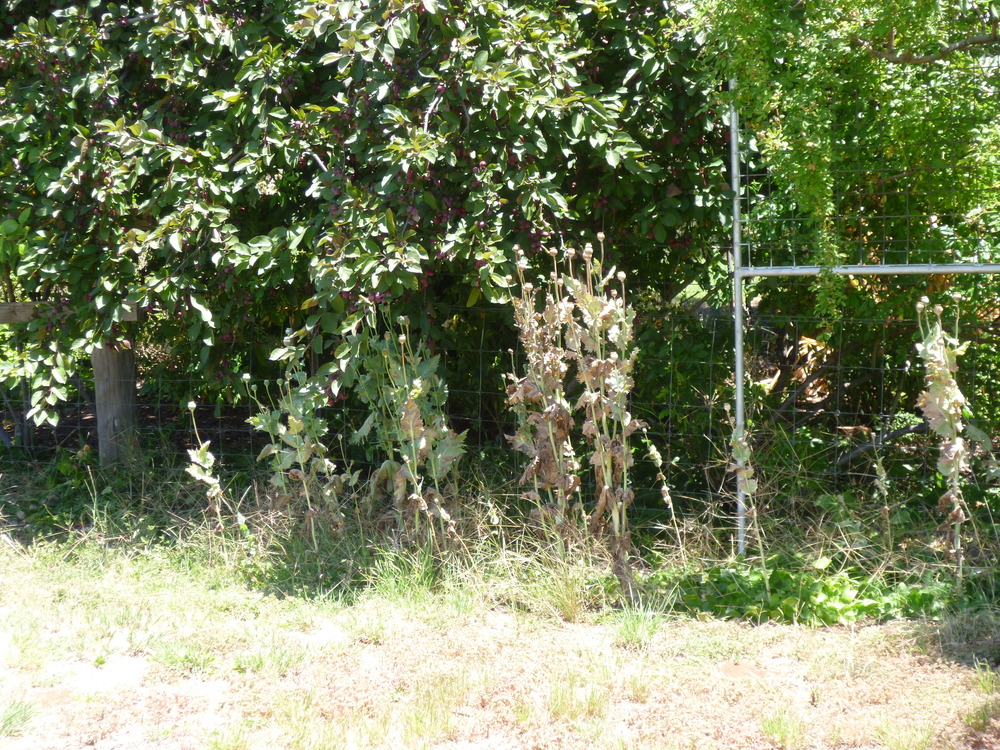
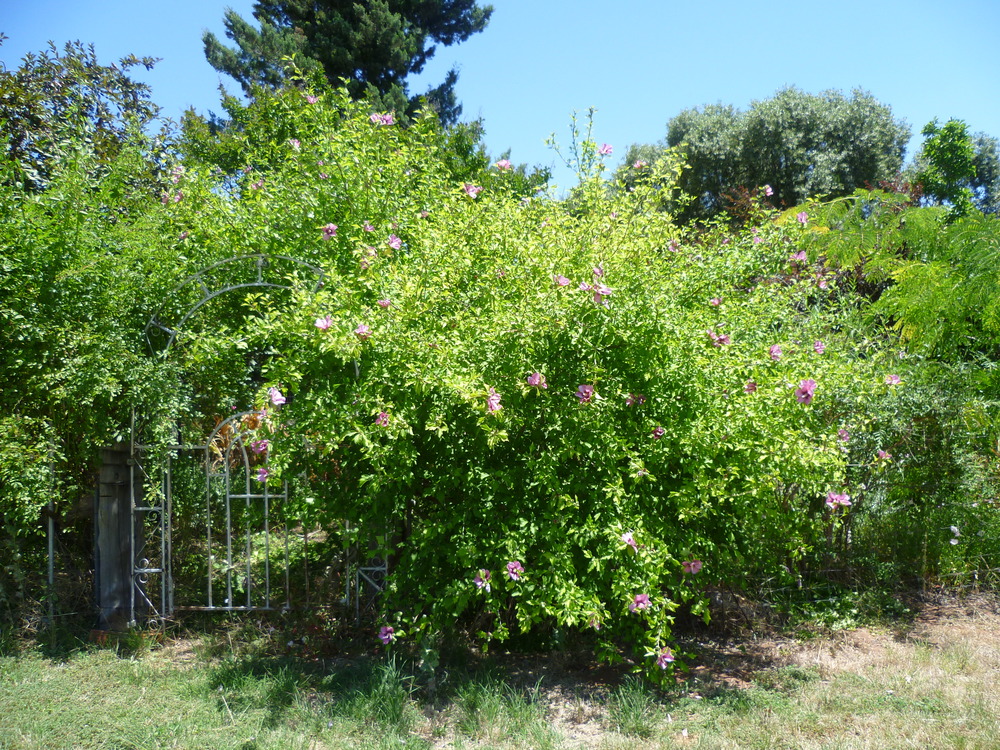
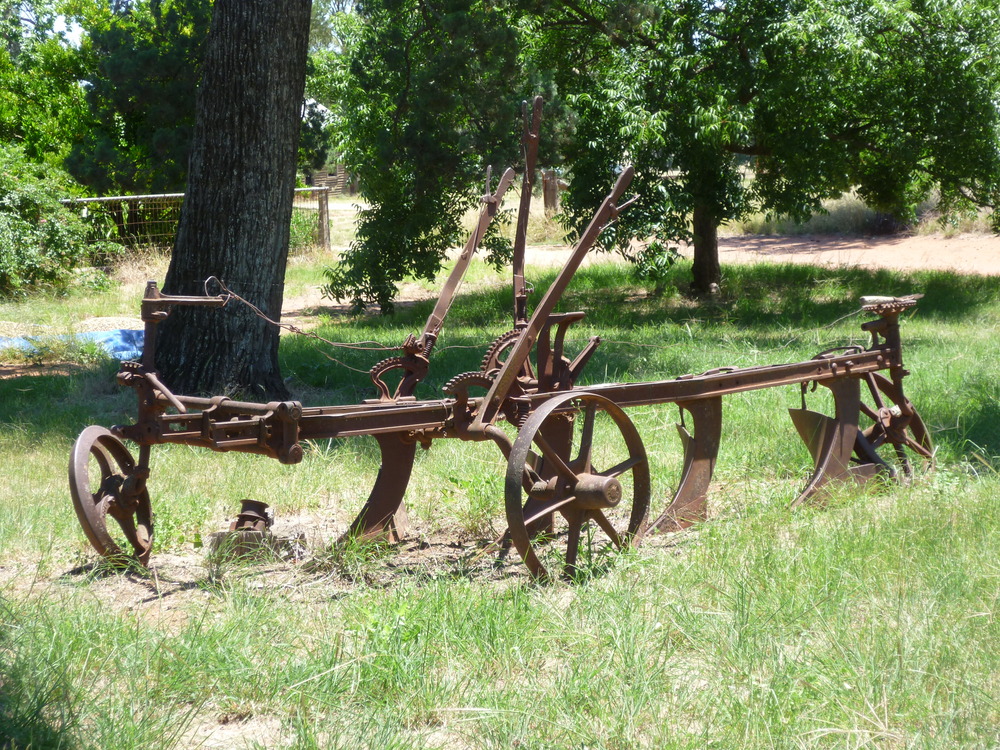
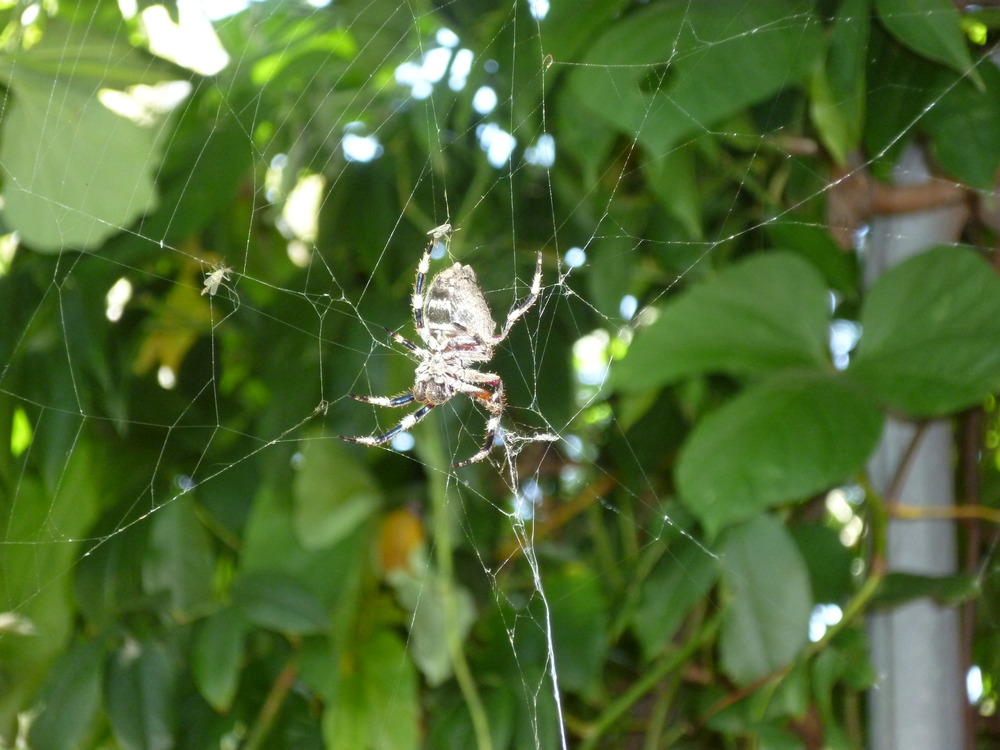
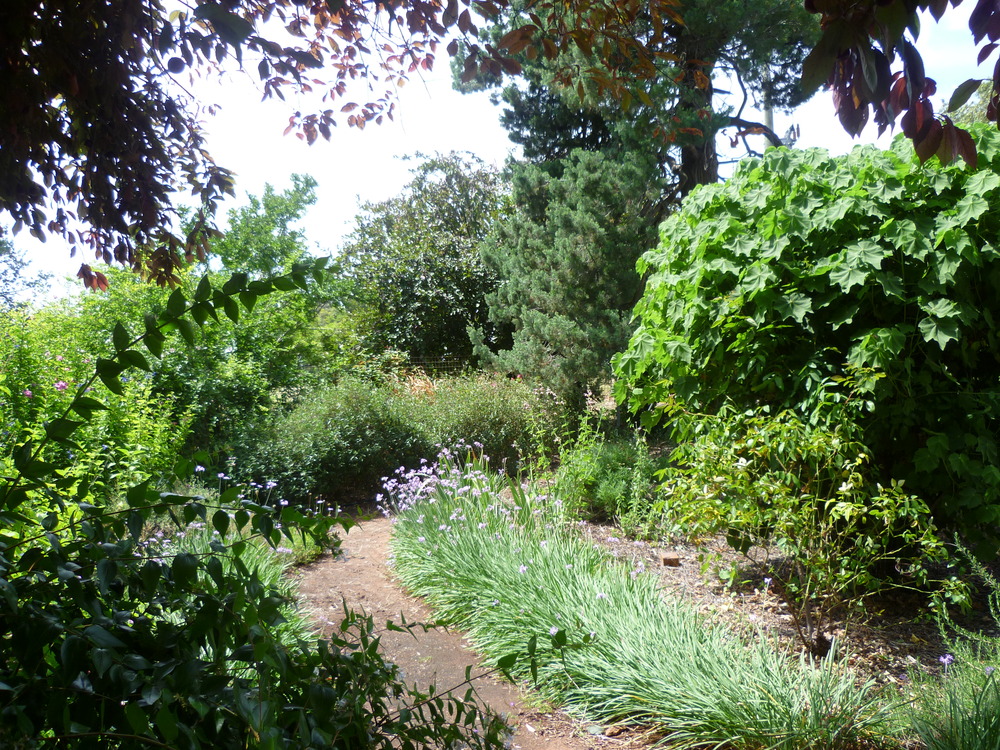
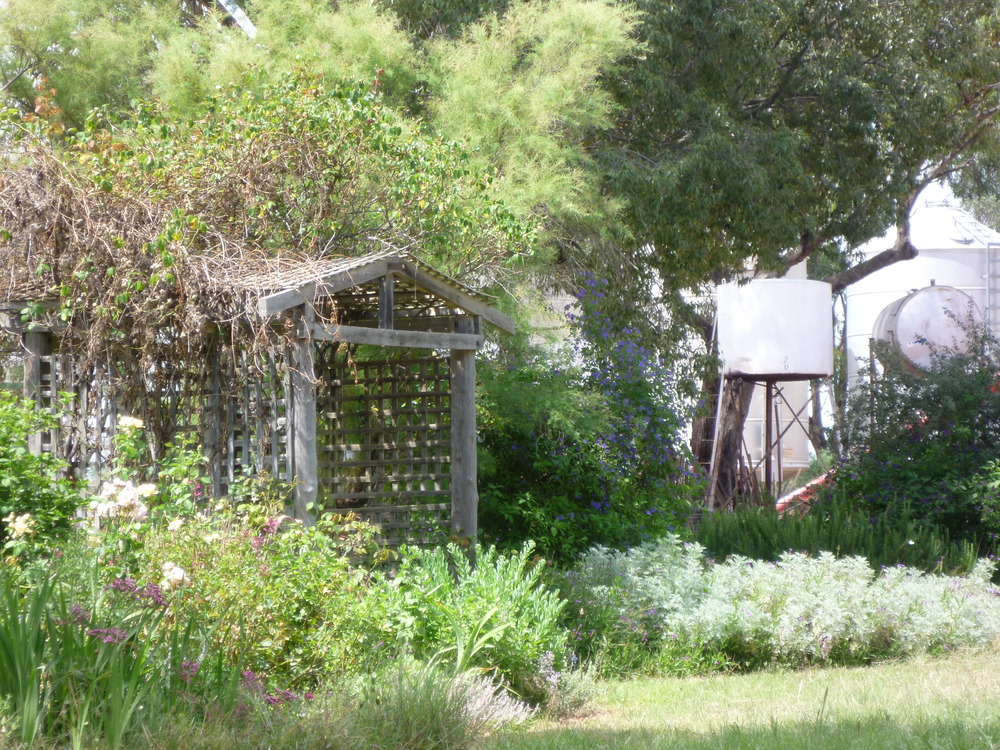
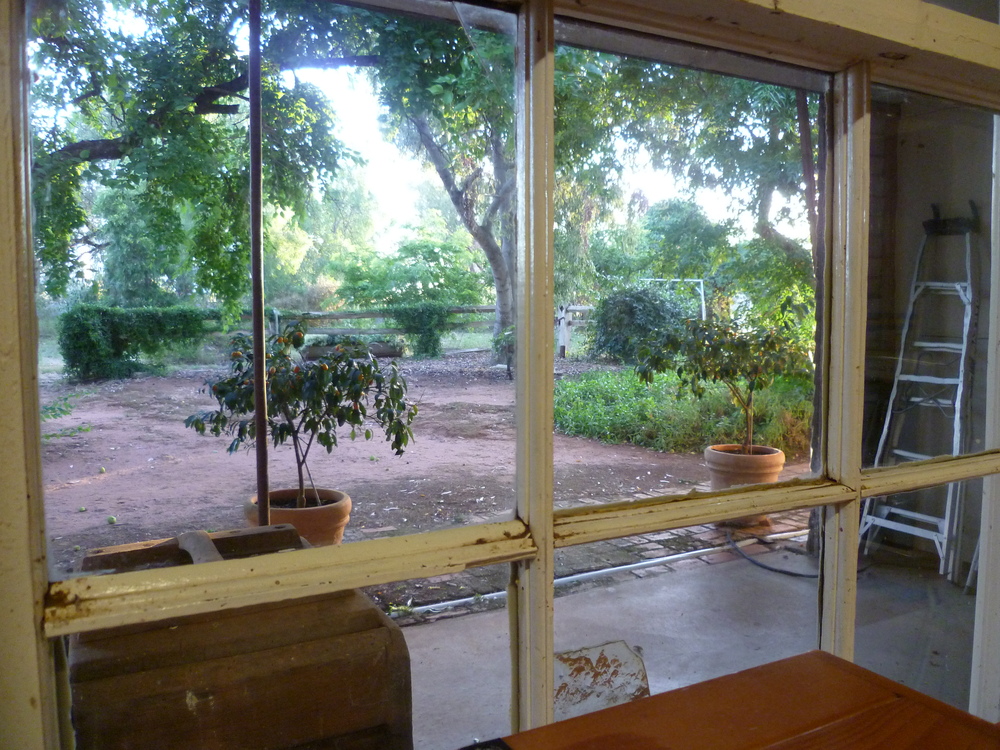
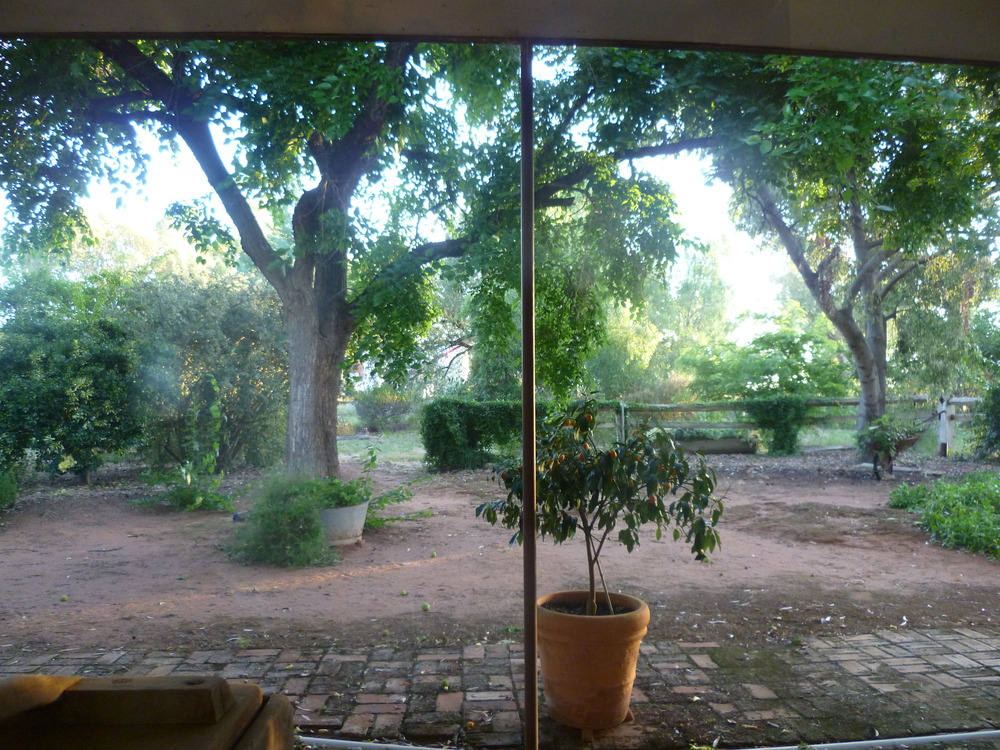
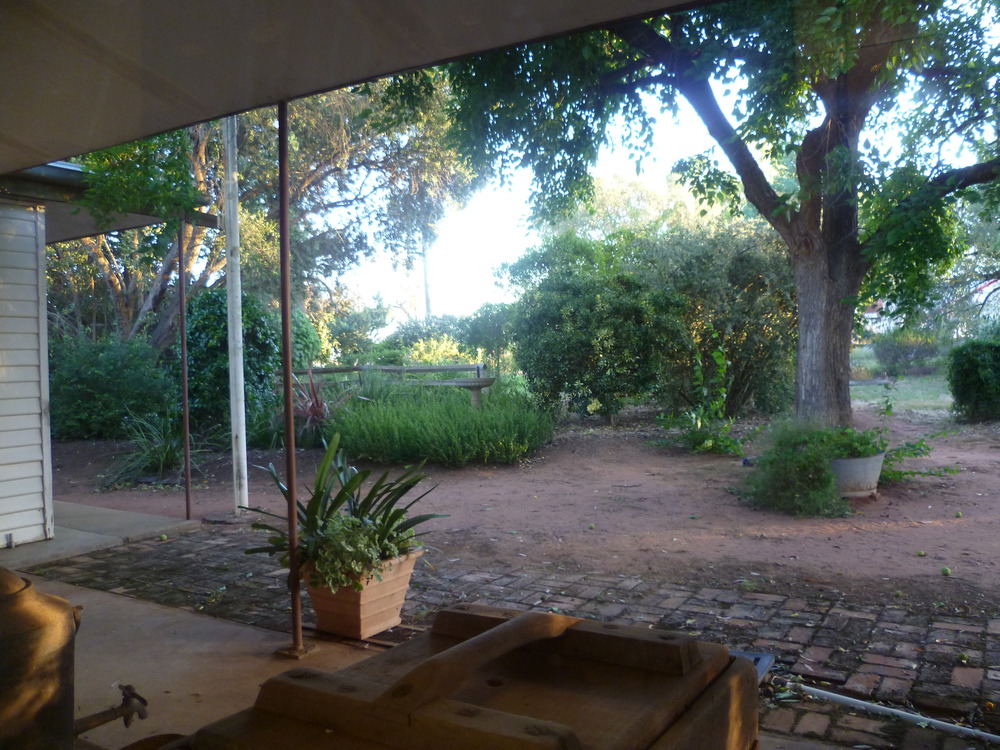
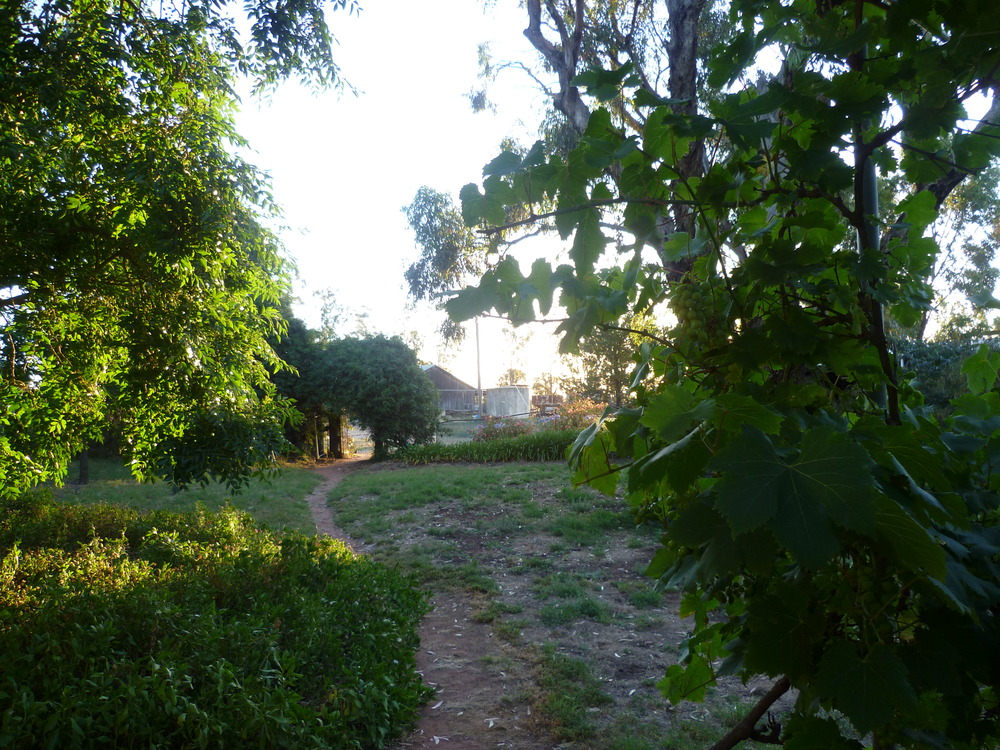
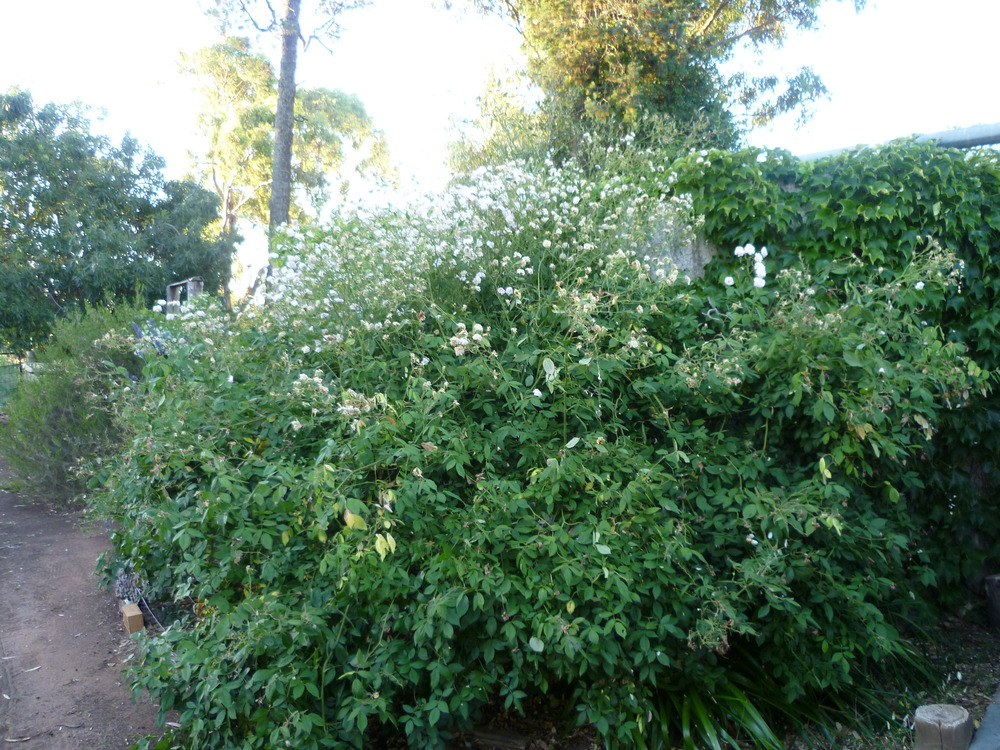
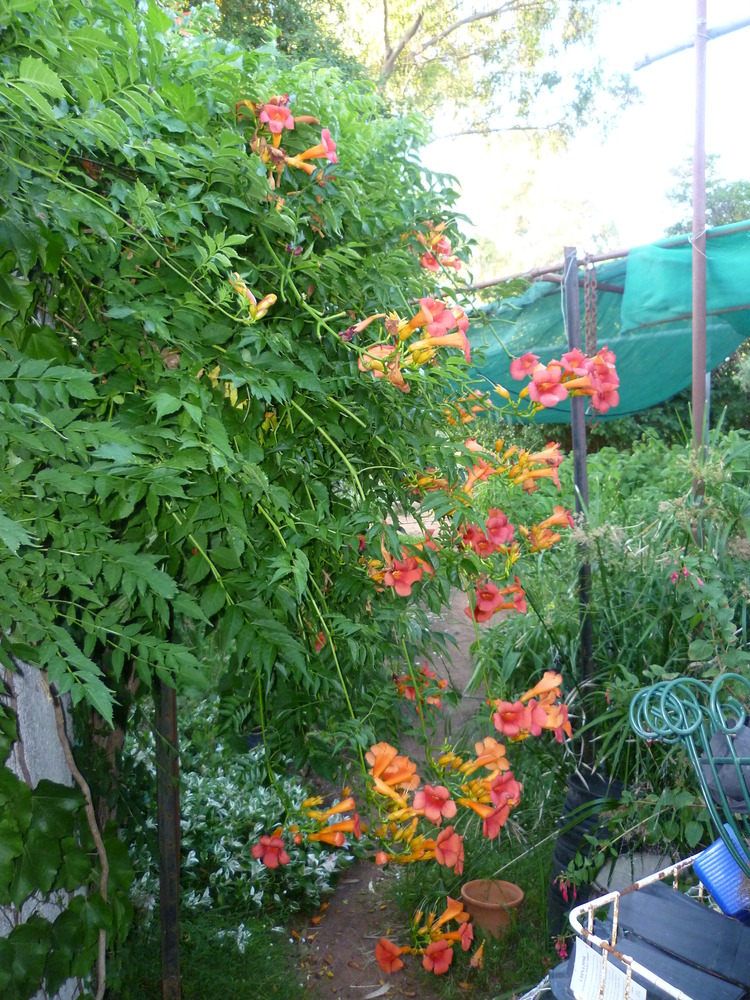
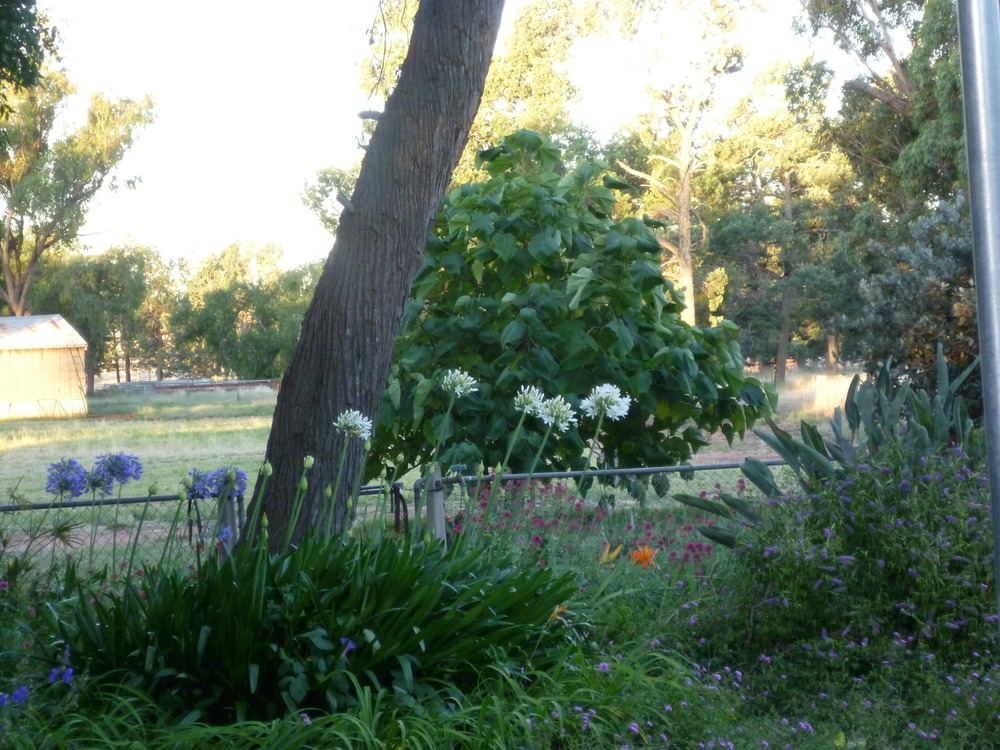
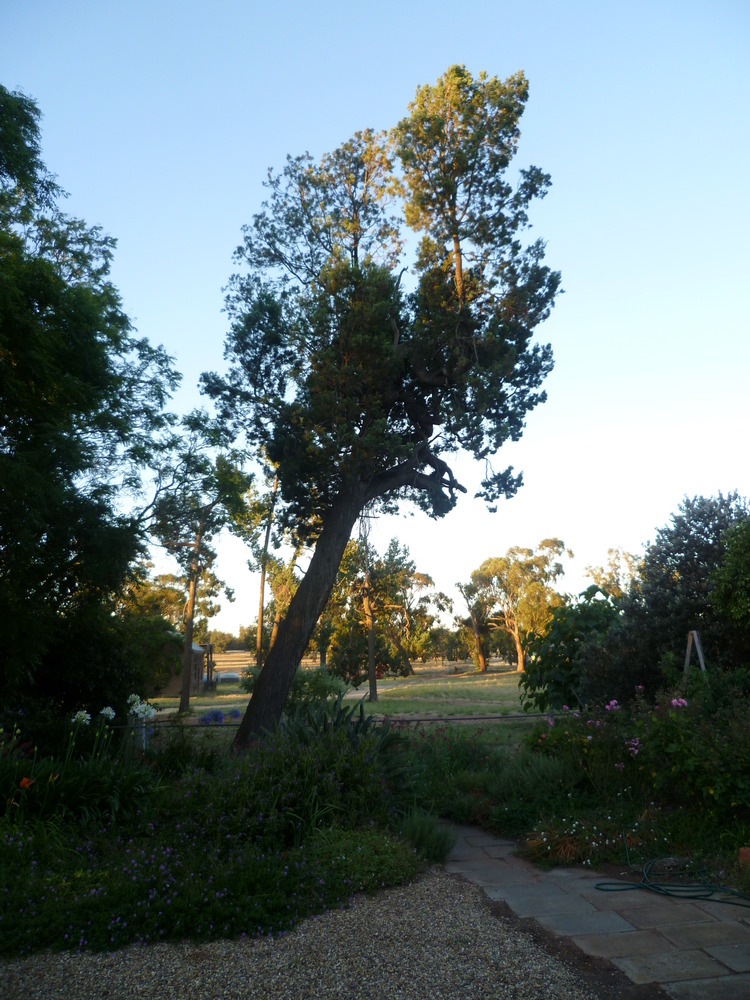
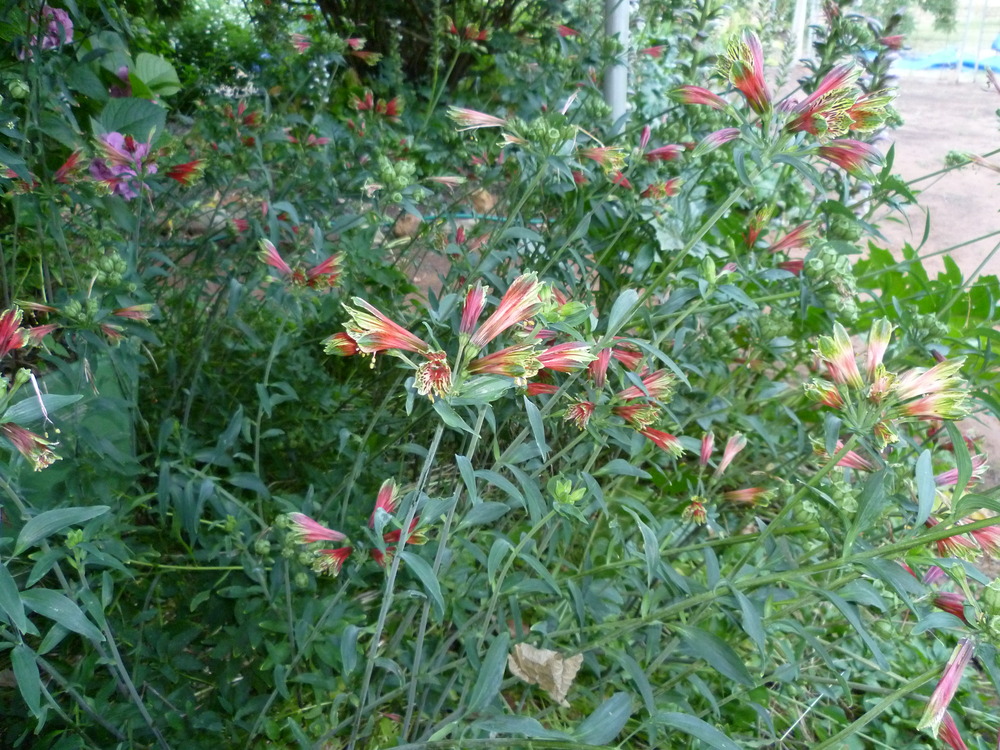
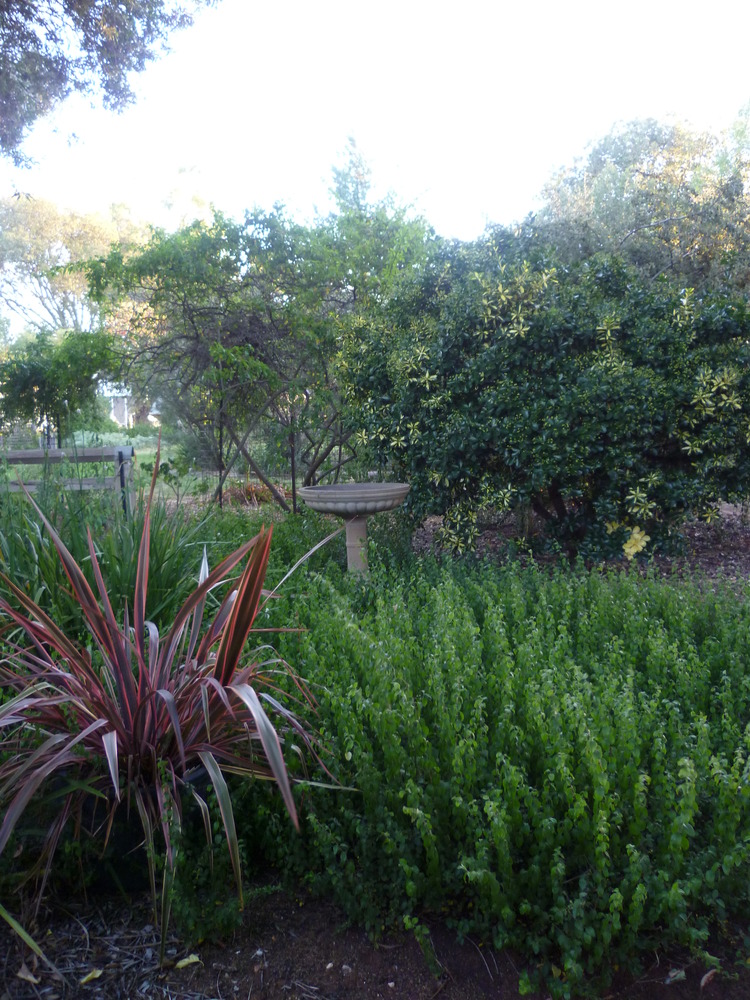
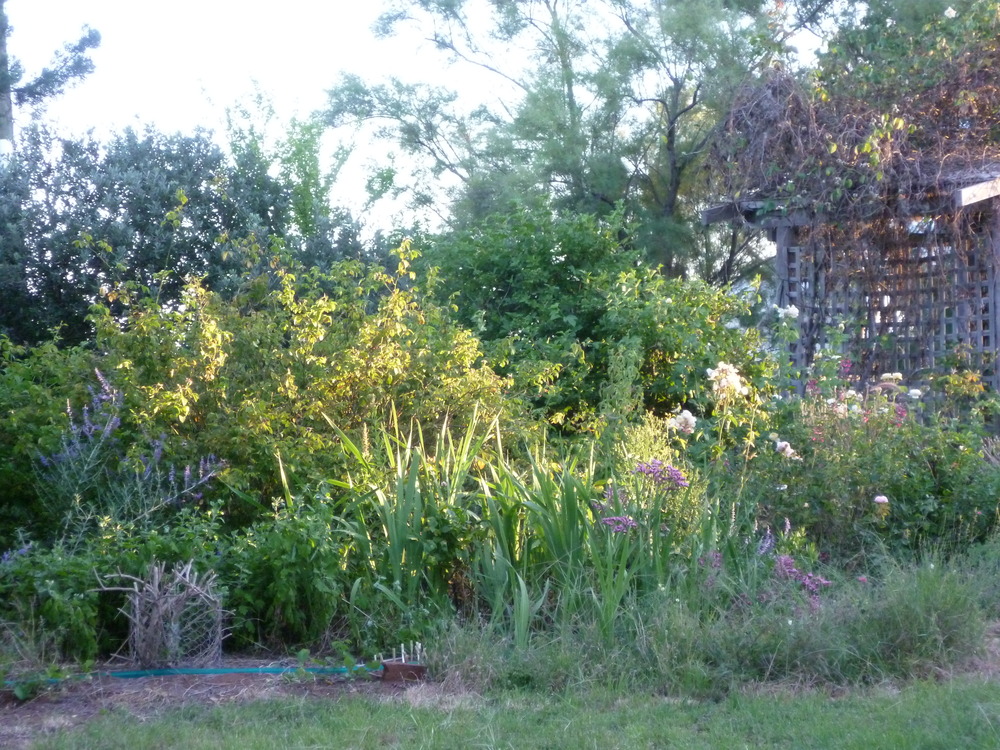
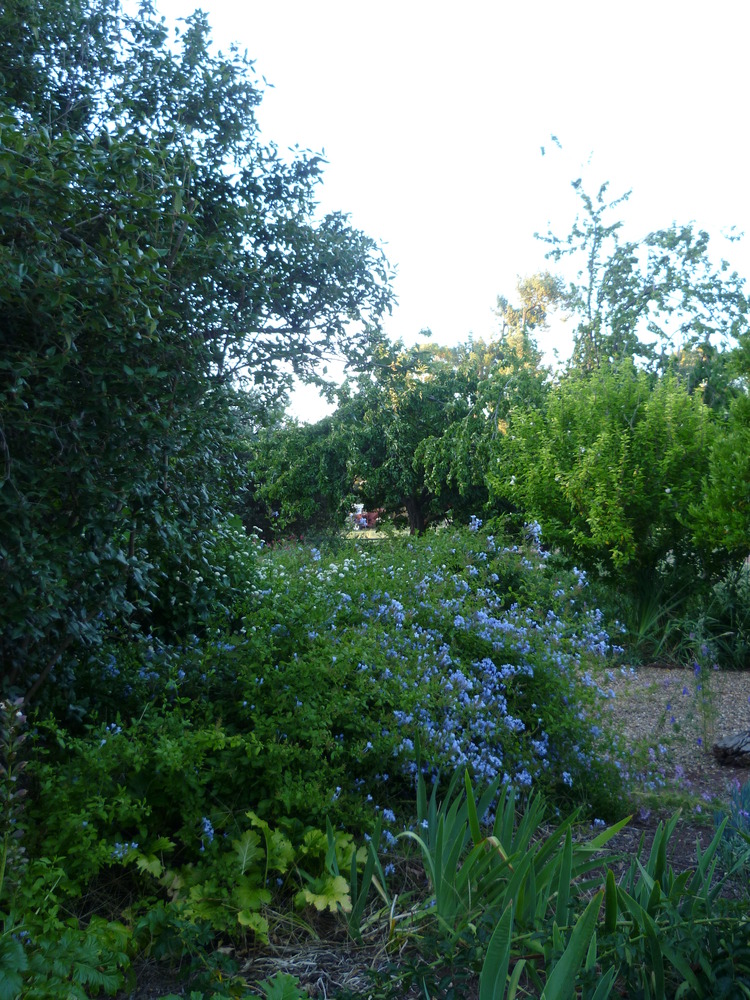
My mother, like many rural Australian women, has spent a great deal of time and energy on developing a garden on the farm (where she has lived for close on fifty years). Conditions are often harsh and the recent near decade of drought wrought havoc even on relatively tough trees. This garden, sadly, is about to be abandoned. These pictures were taken recently (Dec 2010/Jan 2011). The early summer, funnily enough, has been the wettest for many years.
Christmas 1916: an Australian Observation Post near Fleurbaix, on the Somme front (by William Barnes Wollen).
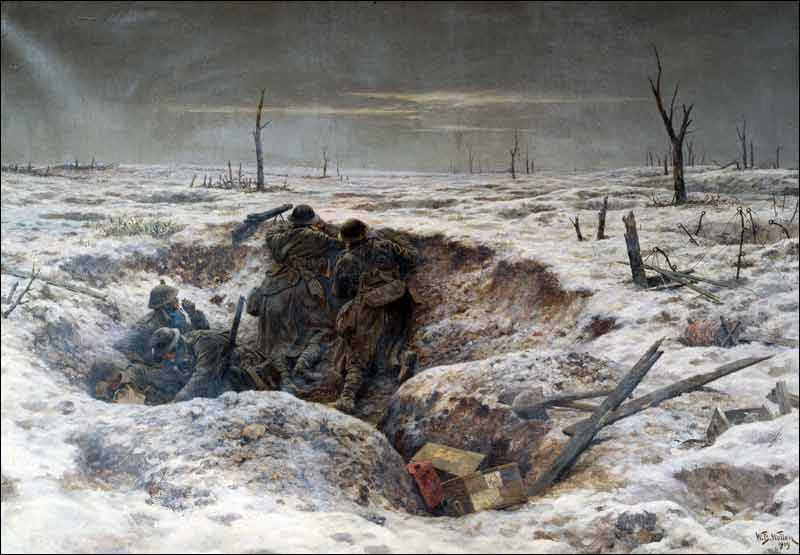
Christmas Day On The Somme
’Twas Christmas Day on the Somme
The men stood on parade,
The snow laid six feet on the ground
Twas twenty in the shade.Up spoke the Captain ‘gallant man’,
“Just hear what I’ve to say,
You may not have remembered that
Today is Christmas Day.”“The General has expressed a wish
This day may be observed,
Today you will only work eight hours,
A rest that’s well deserved.I hope you’ll keep yourselves quite clean
And smart and spruce and nice,
The stream is frozen hard
But a pick will break the ice.”“All men will get two biscuits each,
I’m sure you’re tired of bread,
I’m sorry there’s no turkey
but there’s Bully Beef instead.The puddings plum have not arrived
But they are on their way,
I’ll guarantee they’ll be in time
To eat next Christmas Day.”“You’re parcels would have been in time
But I regret to say
The vessel which conveyed them was
Torpedoed on the way.The Quartermaster’s got your rum
But you may get some yet,
Each man will be presented with
A Woodbine Cigarette.”“The Huns have caught us in the rear
And painted France all red,
Pray do not let that trouble you,
Tomorrow you’ll be dead.Now ere you go I wish you all
This season of good cheer,
A very happy Christmas and
A prosperous New Year.”By Leslie George Rub

I’ve lived in Christchurch for over 30 years and have always known the link between the Oxford Martyrs ( Latimer, Ridley and later Cranmer) and the squares of Christchurch. But it was only quite recently that I discovered (rediscovered?) that the nursery rhyme ‘Three Blind Mice’ was (possibly) about them. The farmer’s wife is a reference to Mary I.
The squares of Christchurch are simple affairs*: a few paths, a couple of lamp-posts, some trees and grass. There’s nothing to explain the history that lies behind the names. I used to walk to work through Cranmer Square most days for a year or so in the late ’70s. And what was Ridley Square is now known as Cathedral Square. The 18 metres high Neil Dawson sculpture ‘Chalice’ is a feature there.
*At least, Latimer and Cranmer are. Cathedral Square is quite busy. I never go there.


The iron filings in my nose have never worked very well and I have no sense of direction. I can read a map but it takes a mort o’ concentration so I don’t do it for pleasure. But I know the sun rises (apparently) in the east and sets in the west and if you live in the Southern hemisphere the sunny side is to the north. The moon appears differently in the Southern hemisphere too, which may seem obvious to the keener intellect but is not a well-known fact. I was often mystified by the incorrect (Northern hemisphere) drawings of the moon phases in textbooks when I was younger. No mention was ever made of the differences that occurred in the south. I don’t know if that was arrogance, ignorance, an oversight or an economy with paper and ink.
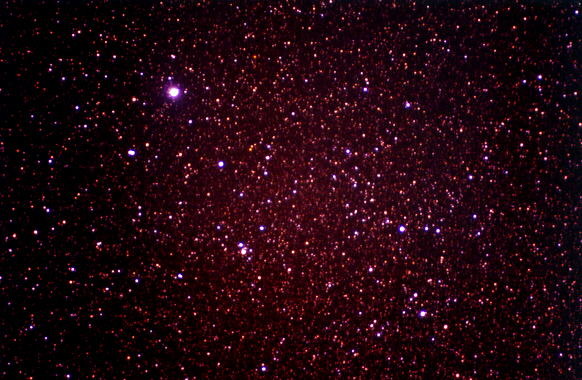
I live in a city now, though only a little one, and the night sky is not clearly visible because of light pollution. I am never too sure what I can see when I do study the sky at night because I am a foreigner here and no-one has ever really explained what is what overhead. I sometimes think of Drummer Hodge when I look at it.
The night sky that I know a little better is that one sees in the southern Riverina, NSW. I will be back there next week, possibly for the last time and I will look at it for as long as I dare. That sky is dark and the big splash of milky silver from Juno’s generous breast is plain to see. Even with the naked myopic eye it is an impossibly beautiful thing. And, like all beautiful things, it is too much yet not enough. (I need a poet, or Van Gogh, to pin that down better). But I don’t know the constellations very well there, either. I tried to look at a map of the constellations by torchlight once as I stood in a dark garden. I forgot about the power of phototropism and was overwhelmed by a million bugs lunging at the torchbulb. So I had to give that up. My father, a man who named all his cattle from mythology, knew all the stars in the sky but he has Alzheimers now so his knowledge has probably gone (though if it is like his spelling it may not have).
The words ‘Precession of the Equinoxes’ are to me as stately and graceful as any I have ever heard. I have not seen Vega of the Lyre as I have never been to the northern hemisphere but I first read of it years ago in a book by L.M.Montgomery. Vega (or Wega, or ‘Swooping Eagle’ from the Arabic ) was once the North Celestial Pole Star (about 12,000 years ago) and will, because of the Precession of the Equinoxes, be so again in about 10,000 years. I admire her patience and her calm assurance.

 gryphonelle